
Dogs are not just pets but companions, and understanding their body language is a crucial step in building a strong relationship with them. Your dog’s body language tells you a lot about how they feel and what they want. In this blog, we will be discussing the different behaviors that your dog exhibits and what they mean.
Part 1: Understanding the basics
The first step in decoding your dog’s body language is to understand the basics. Dogs communicate using a variety of signals, including facial expressions, body posture, and vocalizations. By paying attention to these signals, you can better understand your dog’s emotions and behavior.
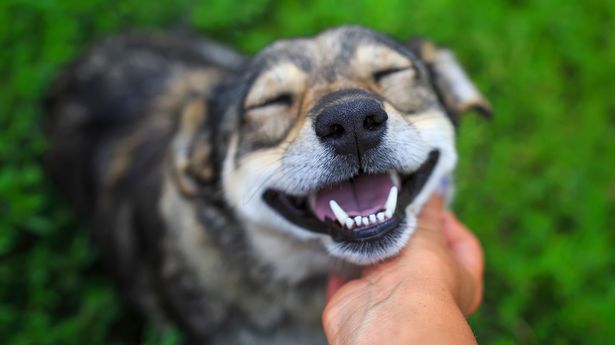
1. Facial Expressions: Dogs use their faces to communicate a lot. For example, if your dog is happy, they will have a relaxed face, open mouth, and wagging tail. If they are scared or anxious, they may have a wrinkled forehead, closed mouth, and flattened ears.
2. Body Posture: A dog’s posture can tell you a lot about how they are feeling. If your dog is happy and relaxed, they will have a loose, wiggly body. If they are scared or anxious, they may crouch low to the ground or try to make themselves appear smaller.
3. Vocalizations: Dogs use vocalizations to communicate as well. For example, barking can indicate excitement, fear, or aggression, while whining or whimpering can indicate pain or discomfort.
Part 2: Common behaviors
Now that you understand the basics of dog body language, let’s take a look at some common behaviors and what they mean.
1. Tail wagging: Contrary to popular belief, a wagging tail doesn’t always mean a happy dog. A fast, high wag usually indicates excitement or happiness, while a low, slow wag can indicate anxiety or fear.
2. Yawning: Dogs often yawn when they are tired, but it can also indicate stress or anxiety. If your dog yawns frequently or in situations that don’t seem to warrant it, it may be a sign that they are uncomfortable.
3. Licking: Dogs use licking as a way to communicate affection or to calm themselves down. However, excessive licking can indicate anxiety or stress.
4. Growling: Growling is a warning signal that a dog may be feeling threatened or defensive. It’s important to take this behavior seriously and to remove your dog from the situation if they are growling.
5. Jumping: While jumping may seem like a friendly behavior, it can actually indicate dominance or excitement. If your dog jumps on people, it’s important to train them to stop.
Part 3: Putting it all together
Now that you have a better understanding of your dog’s body language and common behaviors, it’s important to put it all together. By observing your dog’s behavior and paying attention to their body language, you can better understand their emotions and needs.
1. Pay attention to context: It’s important to consider the situation when decoding your dog’s body language. For example, a wagging tail in an unfamiliar environment may indicate anxiety rather than happiness.
2. Be patient: It may take some time to fully understand your dog’s body language, so be patient and observant.
3. Seek professional help: If you are struggling to understand your dog’s behavior or if they are exhibiting concerning behaviors, seek the help of a professional dog trainer or behaviorist.
Understanding your dog’s body language is crucial in building a strong relationship with them. By paying attention to their facial expressions, body posture, and vocalizations, you can better understand their emotions and needs. With patience and observation, you can become an expert in decoding your canine companion’s behavior.