
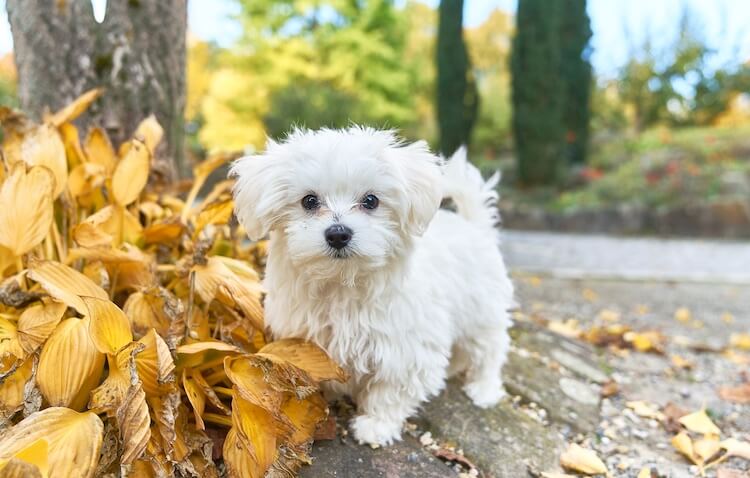
Maltese dogs are one of the most popular breeds around the world. These small and cute dogs are known for their long, silky white hair, their playful personality, and their loyal and affectionate nature. They are excellent companions and have a lifespan of around 12-15 years, but with proper care and attention, they can live longer. In this blog, we will explore the lifespan of a Maltese dog from puppy to senior, and provide tips and tricks on how to keep them healthy throughout their lives.
Maltese Puppyhood
Maltese puppies are adorable and playful creatures that bring joy to any household. During this stage of their life, they require a lot of attention and care to ensure they grow up to be healthy and happy adults.
Feeding a Maltese puppy
A balanced diet is essential for a Maltese puppy’s health and growth. Puppies require more calories and protein than adult dogs, so it’s important to feed them puppy food specifically formulated for their needs. Feed your Maltese puppy 3-4 small meals per day until they are around 6 months old, then gradually reduce the frequency of meals.
Avoid feeding your Maltese puppy table scraps or human food, as this can upset their stomach and cause weight gain. Make sure your puppy has access to fresh water at all times.
Potty training
Potty training a Maltese puppy can be challenging, but with patience and consistency, they can learn quickly. Take your puppy outside every 2-3 hours and after meals or naps. Praise them when they go potty outside and ignore accidents inside the house.
If you catch your puppy in the act of going potty inside, interrupt them with a loud noise and take them outside immediately. Never punish your puppy for accidents, as this can cause anxiety and make potty training more difficult.
Socialization
Socializing your Maltese puppy is crucial for their mental and emotional development. Expose them to different environments, people, and animals to help them develop confidence and social skills.
Introduce your puppy to other dogs gradually and in a controlled setting. Always supervise interactions and separate them if they become aggressive or fearful.
Exercise
Maltese puppies require regular exercise to keep them healthy and prevent boredom. However, their small size means they don’t need as much exercise as larger breeds. Take your puppy for short walks and play games like fetch or tug-of-war.
Avoid over-exercising your puppy, as this can cause joint problems and other health issues.
Adolescence and Young Adulthood
As Maltese puppies grow up, they become more independent and curious about the world around them. During adolescence and young adulthood, they may become more energetic and require more exercise and attention.
Feeding a Maltese adolescent
As your Maltese puppy reaches adolescence, gradually transition them to adult dog food. Choose a high-quality food that meets their nutritional needs. Feed your Maltese dog twice a day and avoid overfeeding, as they are prone to weight gain. Monitor their weight and adjust their food intake as needed.
Training
Continue training your Maltese dog during adolescence and young adulthood. Obedience training and tricks can help keep their minds stimulated and prevent boredom. Positive reinforcement is the most effective training method for Maltese dogs. Use treats, praise, and toys as rewards for good behavior.
Exercise
Maltese dogs require regular exercise throughout their lives. Aim for at least 30 minutes of exercise per day, such as walks, playtime, or agility training. Monitor your Maltese dog’s energy levels and adjust their exercise routine accordingly. Avoid over-exercising or pushing them beyond their limits.
Health
Maltese dogs are prone to certain health issues, such as dental problems, eye infections, and allergies. Schedule regular check-ups with your veterinarian to ensure your Maltese dog stays healthy. Maintain good dental hygiene by brushing your Maltese dog’s teeth regularly and providing dental treats and toys.
Adulthood and Senior Years
As your Maltese dog reaches adulthood and senior years, their needs may change. It’s important to adjust their care and routine accordingly to keep them healthy and comfortable.
Feeding a Maltese adult and senior dog
As your Maltese dog reaches adulthood, continue feeding them high-quality adult dog food. Senior dogs may require a specialized diet to accommodate their changing nutritional needs.
Senior dogs may have a reduced appetite, so it’s important to monitor their weight and adjust their food intake accordingly. Soft or wet food may be easier for senior dogs to chew and digest.
Exercise
Regular exercise is important for maintaining your Maltese dog’s health throughout their life. However, senior dogs may require a more gentle exercise routine, such as short walks or light playtime. Monitor your Maltese dog’s energy levels and adjust their exercise routine accordingly. Avoid over-exercising or pushing them beyond their limits.
Health
Senior dogs may be prone to age-related health issues, such as arthritis, cognitive decline, and vision or hearing loss. Schedule regular check-ups with your veterinarian and monitor your Maltese dog’s health closely.
Provide your senior Maltese dog with a comfortable and safe environment, including soft bedding and non-slip surfaces. Make any necessary modifications to your home to accommodate their mobility and accessibility needs.
Mental health
Senior dogs may experience cognitive decline or behavioral changes as they age. Keep your Maltese dog mentally stimulated with interactive toys, puzzles, and training exercises.
Spend quality time with your senior Maltese dog and provide them with plenty of love and attention. Engage in activities they enjoy and make any necessary adjustments to accommodate their changing needs.
Special considerations
Maltese dogs with special needs, such as deafness or blindness, require extra care and attention. Learn how to communicate with your dog effectively and make any necessary modifications to your home to accommodate their needs.
If your Maltese dog develops a health issue, work closely with your veterinarian to provide them with the best possible care and treatment.
Caring for Maltese dogs throughout their lifespan requires attention, patience, and dedication. From puppyhood to senior years, each stage of their life brings unique challenges and needs.
By providing your Maltese dog with a balanced diet, regular exercise, and preventative healthcare, you can help ensure they live a long, healthy, and happy life. Show your Maltese dog love, patience, and attention throughout their life, and they will reward you with years of loyalty and companionship.