
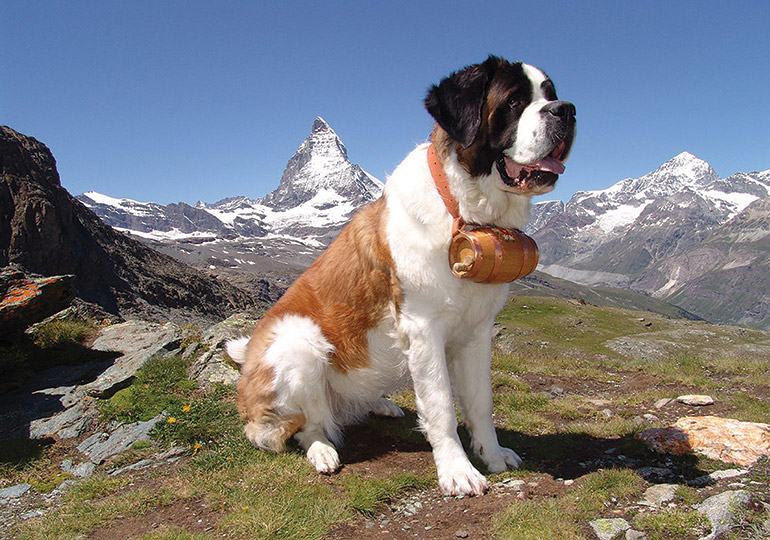
The Saint Bernard dog breed has become synonymous with heroic rescues and the image of a fluffy, drooling giant helping lost travelers through the snowy Alps. But there is much more to these lovable canines than their mountain rescue reputation.
The Saint Bernard dog breed originated in the Western Alps in the late 17th century. The dogs were bred by monks living in the Hospice of the Great St. Bernard Pass, a hospice located in the Swiss Alps. The hospice was a refuge for travelers, particularly those on a pilgrimage to Rome, and the monks used the dogs to help them navigate the treacherous mountain terrain.
The dogs were initially bred for their strength and endurance. They were used to pull carts and sleds through the snow, as well as to help the monks hunt for food. However, their gentle and loyal nature made them perfect for their most famous role – rescuing lost travelers.
The Saint Bernard dog’s reputation as a rescue dog began in the early 18th century when a traveler was saved by a Saint Bernard named Barry. Barry saved the man’s life by pulling him out of a snowdrift and then licking him to keep him warm until help arrived. Since then, Saint Bernards have been credited with saving the lives of countless travelers.
In the mid-19th century, the breed was threatened with extinction due to disease and harsh winters. The Hospice of the Great St. Bernard Pass began to breed the dogs with other breeds to try and save the breed. This led to the development of the smooth-coated Saint Bernard, a breed that is less well-known than its long-haired counterpart.
The Saint Bernard dog eventually made its way to England and then to the United States. The breed became popular in the US in the 19th century, particularly as a companion dog. The breed’s gentle nature and loyalty made it a favorite among families, and it remains a popular breed today.
Despite their popularity, Saint Bernards are not for everyone. They are a large breed and require a lot of space and exercise. They also drool a lot, which can be a turn-off for some people. However, for those who are willing to put in the time and effort to care for them, Saint Bernards can make wonderful pets.
One of the most important things to remember when adopting a Saint Bernard is that they are a working breed. They need a job to do and thrive when given tasks to complete. This can include obedience training, agility, or even therapy work. They are intelligent dogs and enjoy being challenged mentally.
Another important aspect of caring for Saint Bernard is their health. The breed is prone to certain health issues, including hip dysplasia, elbow dysplasia, and bloat. It is important to have regular vet check-ups and to keep them at a healthy weight to prevent these issues.
Overall, the Saint Bernard dog has come a long way from its origins as a rescue dog in the snowy Alps. While they may not be saving lives every day, they are still beloved for their gentle nature, loyalty, and beauty. If you are considering adopting a Saint Bernard, be prepared to give them plenty of love and attention, and they will return it tenfold.