
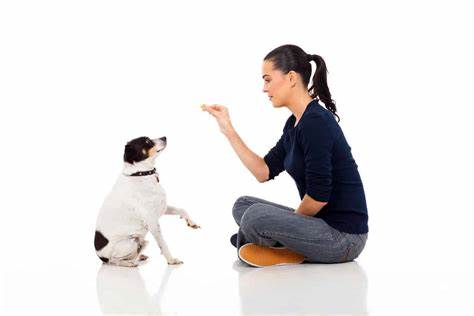
Training your dog can be a rewarding experience for both you and your pet. With patience, consistency, and positive reinforcement, you can teach your pup to obey commands and develop good habits. Here are 10 tips to help you get the most out of your dog training sessions.
1. Understand That a Puppy is an Infant Dog – Not a Miniature Adult
Puppies are still learning about the world around them and need to be taught how to behave in different situations. They don’t have the same level of understanding as an adult dog, so it’s important to be patient with them and provide positive reinforcement when they do something correctly.
2. Puppy-Proof Your House
It’s important to puppy-proof your house before bringing home a new pup. This means removing any potential hazards such as electrical cords or small objects that could be swallowed or chewed on by curious puppies. It also means blocking off areas of the house that may not be safe for them yet, such as stairs or rooms with fragile items.
3. Minimize Distractions During Training Sessions
When teaching your pup new commands or behaviors, it’s best to minimize distractions during training sessions so that they can focus on what you’re trying to teach them. Find a quiet spot in your home where there aren’t any other pets or people around that could distract them from their lessons.
4. Break Training Up Into Short Sessions
Dogs have short attention spans and can become easily bored if asked to do too much at once during training sessions. To keep their interest, break up training into shorter sessions throughout the day instead of one long session all at once. This will help ensure that they stay focused on what you’re trying to teach them and make it easier for them to retain information over time.
5 Be Generous With Your Affection
Positive reinforcement is key when it comes to training dogs effectively, so make sure you reward good behavior with plenty of praise and affection during each session! Dogs thrive on positive reinforcement and will learn faster if they know they are being rewarded for doing something right rather than punished for making mistakes.
6 Tell Him What You Want Him To Do
Rather than telling your pup what not to do (i.e., “No jumping!”), try telling him what he should do instead (i.e., “Sit down!”). This way he has a clear understanding of what is expected from him and will be more likely to comply with commands quickly and accurately without confusion or frustration from either side!
7 Be Consistent With Commands And Rewards
Consistency is key when it comes to successful dog training! Make sure you use the same commands each time you ask your pup to perform a certain behavior so he knows exactly what is expected of him every time he hears those words come out of your mouth! Also make sure you reward him consistently with treats or verbal praise whenever he does something correctly – this will help reinforce his good behavior over time!
8 Have Realistic Expectations
Don’t expect too much from your pup too soon – remember that puppies are still learning about the world around them and need time in order to understand new concepts or behaviors fully before they can master them completely! Don’t get frustrated if things don’t go perfectly right away – just keep practicing patiently until both you and your pup feel comfortable with each command or behavior being taught!
9 Don’t Underestimate The Power Of Treats
Treats are great motivators for dogs – especially when used in conjunction with verbal praise during training sessions! Make sure you always have some yummy treats handy during each session so that whenever your pup does something correctly, he knows there’s a tasty reward waiting for him at the end! This will help motivate him even further towards mastering whatever skill you’re trying to teach him next!
10 Find A Familiar Quiet Spot For Training Sessions
Find a familiar spot in your home where there aren’t any distractions (other pets, people walking by etc.) so that both you and your pup can focus solely on the task at hand without getting distracted by anything else going on around you! This way both parties involved will feel more relaxed while learning which should lead towards more successful results overall in less time spent practicing together!
With these 10 tips in mind, getting started on teaching basic obedience skills like sit/stay/come/leave it etc., as well as more complex tricks like rolling over/playing dead/jumping through hoops etc., should be much easier for both parties involved – leading towards better results overall within less time spent practicing together! So don’t wait any longer – start training today and watch as both yourself and your furry friend grow closer together through this fun bonding experience filled with lots of love & patience along the way 🙂