
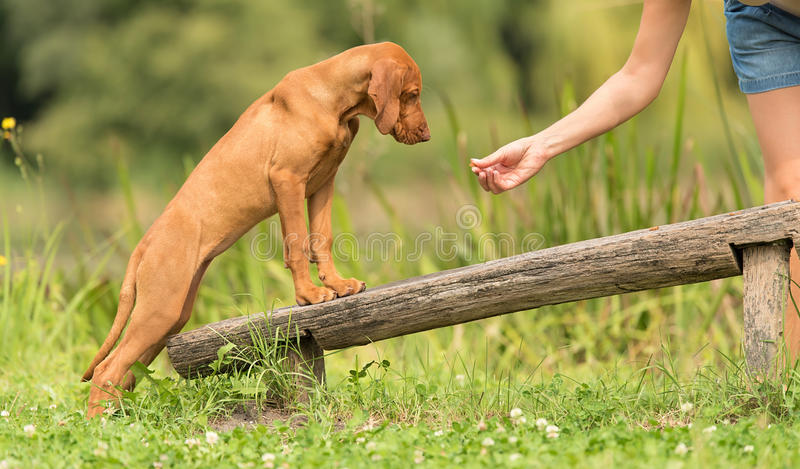
Welcoming a new Vizsla puppy into your home is an exciting and rewarding experience. These energetic, intelligent dogs are a joy to be around, but like all dogs, they require proper training to become well-behaved and obedient pets. In this blog post, we’ll discuss proven training techniques to help you master Vizsla obedience and create a happy, well-adjusted pup.
Understanding Vizsla Behavior
Before delving into training techniques, it’s essential to understand Vizsla’s behavior. This breed is known for their energy, intelligence, and loyalty. They are hunting dogs, originally bred for tracking and pointing games. These traits make them excellent companions for outdoor enthusiasts, but they also require a lot of mental and physical stimulation.
Vizslas are also highly sensitive dogs, and their emotions can affect their behavior. They thrive on human interaction and attention, and they don’t do well in environments where they’re left alone for extended periods. These dogs are known to develop separation anxiety, which can lead to destructive behavior.
Establishing Yourself as the Leader
One of the most important aspects of Vizsla training is establishing yourself as the pack leader. Dogs are packed animals and instinctually look to their leaders for guidance and direction. As the owner, it’s up to you to set the rules and boundaries and ensure your pup follows them. This can be achieved through consistent training, positive reinforcement, and leading by example.
Basic Obedience Training
The foundation of Vizsla obedience training is basic obedience. This training covers essential commands such as sit, stay, come, and heel. Basic obedience is crucial to ensure that your Vizsla is well-behaved and can be trusted around people and other dogs.
Training your Vizsla to sit, stay, and come requires consistency and patience. Start by teaching your pup to sit, then gradually progress to stay and come. Use positive reinforcement, such as treats and praise, to encourage good behavior. Always use a firm tone of voice to let your dog know when they’ve done something wrong.
Heel training is also an essential part of basic obedience. Your Vizsla should learn to walk calmly by your side without pulling on the leash. Heel training can be challenging, but it’s crucial to ensure that your dog is under control when walking in public areas.
Advanced Training Techniques
Once your Vizsla has mastered basic obedience, it’s time to move on to more advanced training techniques. These techniques include agility training, retrieving, and hunting.
Agility training is a great way to keep your Vizsla mentally and physically stimulated. This training involves teaching your dog to navigate an obstacle course, jump through hoops, and climb over hurdles. Agility training requires patience, consistency, and positive reinforcement.
Retrieving is another essential training technique for Vizslas. These dogs are natural retrievers and love to fetch. Retrieving can be used as a form of exercise and is a great way to bond with your dog.
Hunting is a part of Vizsla’s heritage, and many Vizsla owners enjoy hunting with their dogs. However, hunting requires extensive training and preparation to ensure the safety of both the dog and the handler. If you plan to hunt with your Vizsla, it’s important to seek professional training and guidance.
Socialization and Behavioral Training
Socialization is a crucial part of Vizsla training. These dogs are highly social and require regular interaction with other dogs and humans. Socialization should start early in a Vizsla’s life and should continue throughout their adulthood. Expose your Vizsla to new environments, sounds, and people to ensure that they are well-adjusted and confident.
Behavioral training is also important for Vizslas. These dogs can be prone to separation anxiety, aggression, and destructive behavior if not properly trained. Behavioral training involves correcting problem behaviors and encouraging positive ones. Seek professional help if you’re struggling with behavioral issues with your Vizsla.
Tools and Equipment
Using the right tools and equipment can make Vizsla obedience training easier and more effective. The most essential tools and equipment for Vizsla obedience training include:
1. Collar and Leash: A collar and leash are essential for controlling your Vizsla during walks and training sessions. Choose a sturdy collar and leash that fits your dog comfortably.
2. Treats: Treats are a great way to reward good behavior during training sessions. Choose high-quality, healthy treats that your Vizsla loves.
3. Clicker: A clicker is a device that makes a clicking sound when pressed. Clicker training is a positive reinforcement technique that involves using the clicker to signal good behavior, followed by a treat.
4. Training Pads: Training pads are a useful tool for housebreaking your Vizsla. These pads are designed to absorb urine and feces and can be disposed of after use.
5. Crate: A crate is a valuable tool for crate training your Vizsla. A crate provides a safe and secure space for your dog to rest and can be used for housebreaking and travel.
Training a Vizsla requires time, effort, and patience, but the rewards are immeasurable. A well-trained Vizsla is a happy and well-adjusted pup that can be trusted in any situation. By using the proven training techniques outlined in this article, you can master Vizsla obedience and have a happy and healthy dog.
Remember to start with basic obedience training and progress to more advanced techniques such as agility, retrieving, and hunting. Socialization and behavioral training are also crucial for Vizslas to ensure that they are well-adjusted and confident.
It’s important to use positive reinforcement and consistency when training your Vizsla. This breed responds well to praise, treats, and a firm yet gentle tone of voice. Remember that Vizslas are sensitive dogs and require a lot of human interaction and attention.
Using the right tools and equipment can also make Vizsla training more comfortable and effective. A quality leash, collar, and training treats can make a significant difference in your Vizsla’s training experience.
Finally, seek professional help if you’re struggling with Vizsla training or behavioral issues. A professional dog trainer can offer guidance, support, and advice to help you train your Vizsla effectively.
In conclusion, mastering Vizsla obedience is a journey that requires patience, effort, and dedication. But the result is a happy and well-behaved pup that is a joy to be around. Follow the proven training techniques outlined in this article, and you’ll be well on your way to having a happy and obedient Vizsla.