
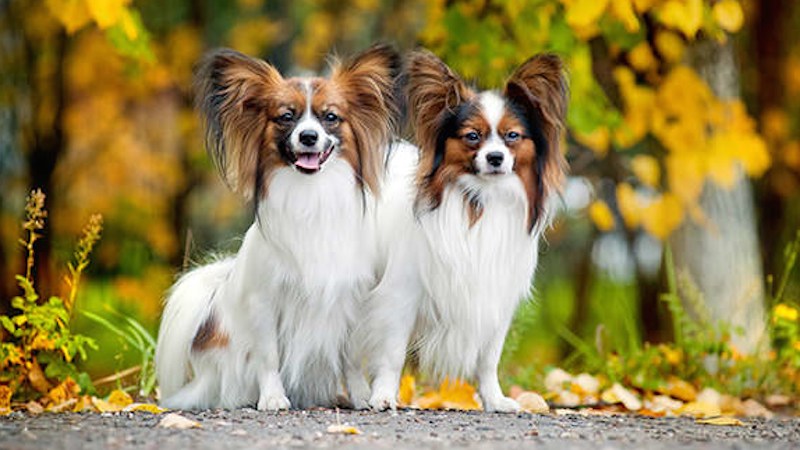
Papillon dogs are a beloved breed among dog lovers for their small size, adorable looks, and friendly personality. But not all Papillons are created equal. Some are bred and trained to be the world’s best, and their breeders and handlers go to great lengths to achieve “Papillon Perfection.” In this blog post, we’ll explore the world of breeding and showing the world’s best Papillons, including the qualities that make a Papillon stand out, the breeding process, and the world of dog shows.
The Qualities That Make a Papillon Stand Out
The first step in breeding and showing the world’s best Papillons is understanding what qualities make them stand out. Papillons are known for their butterfly-like ears, but there’s much more to the breed than their distinctive look. Some of the qualities that breeders and handlers look for in top-notch Papillons include:
1. Intelligence: Papillons are known for their intelligence and ability to learn quickly. A smart Papillon is essential for performing well in dog shows, where they’ll need to learn and execute complicated routines.
2. Temperament: A good temperament is crucial for any dog, but especially for a show dog that will be spending a lot of time around other dogs and people. A calm, friendly Papillon is more likely to perform well in shows and make a good pet.
3. Health: Papillons are generally healthy dogs, but some health issues can be a concern for breeders. Health problems like patellar luxation, hip dysplasia, and eye problems can affect a Papillon’s ability to perform well in shows and can impact their overall quality of life.
4. Conformation: The physical appearance of a Papillon is a key factor in determining its quality. Breeders look for a Papillon with a balanced, symmetrical appearance, a well-proportioned head and body, and straight legs.
The Breeding Process
Once a breeder has identified a Papillon with the desired qualities, the next step is to breed them to produce puppies with those same qualities. Breeding a Papillon is a complex process that involves careful planning, meticulous record-keeping, and attention to detail.
Breeding typically takes place between two Papillons that have been deemed to have desirable qualities. The breeder will carefully choose the male and female dogs based on their temperament, health, and physical characteristics. Before breeding, both dogs will undergo medical testing to ensure they are healthy and free from any genetic health issues that could be passed on to their offspring.
Once the breeding takes place, the gestation period for a Papillon is approximately nine weeks. During this time, the mother dog will need extra care and attention to ensure she stays healthy and comfortable.
After the puppies are born, the breeder will continue to monitor their health and development closely. The puppies will be socialized to people and other dogs from a young age to help them develop a good temperament and to prepare them for the show ring.
The World of Dog Shows
Once a Papillon has been bred and raised to be a top-quality dog, it’s time to show them off in the dog show ring. Dog shows are competitive events where dogs are judged based on their physical appearance, conformation, and performance in various categories.
There are many different types of dog shows, from local competitions to national and international events. To compete in dog shows, Papillons must meet certain breed standards set by the American Kennel Club (AKC) or other dog show organizations. These standards include requirements for the dog’s size, coat, color, and other physical characteristics.
In dog shows, Papillons are typically judged on their overall appearance, movement, and conformation. The judge will examine the Papillon’s coat, head shape, ear set, and other physical characteristics to determine how closely the dog matches the breed standard.
In addition to conformation, Papillons can also compete in obedience, agility, and other categories. These categories test the dog’s intelligence, agility, and ability to follow commands.
Breeding and Showing Ethics
Breeding and showing Papillons for perfection is a serious undertaking that requires a great deal of time, effort, and money. But it’s also important to remember that breeding and showing dogs comes with a great deal of responsibility.
Breeding should always be done with the health and well-being of the dogs in mind. Breeders should carefully choose the dogs they breed and perform medical testing to ensure they are healthy and free from genetic health issues. They should also provide proper care and socialization to the puppies to ensure they grow up to be happy, healthy dogs.
Showing dogs should also be done with ethics in mind. The welfare of the dog should always come first, and they should be treated with respect and kindness at all times. Handlers should never use harsh training methods or punish the dog for not performing well. The goal should be to have fun and showcase the dog’s talents and abilities positively and healthily.
Breeding and showing the world’s best Papillons is a labor of love that requires dedication, hard work, and a deep understanding of the breed. Breeders and handlers must carefully choose their dogs, plan breedings with care, and provide proper care and training to produce dogs of exceptional quality.
But it’s also important to remember that breeding and showing come with a great deal of responsibility. Dogs should always be treated with kindness and respect, and their health and well-being should be the top priority. By breeding and showing dogs ethically, we can continue to celebrate the beauty and excellence of the Papillon breed for years to come.