
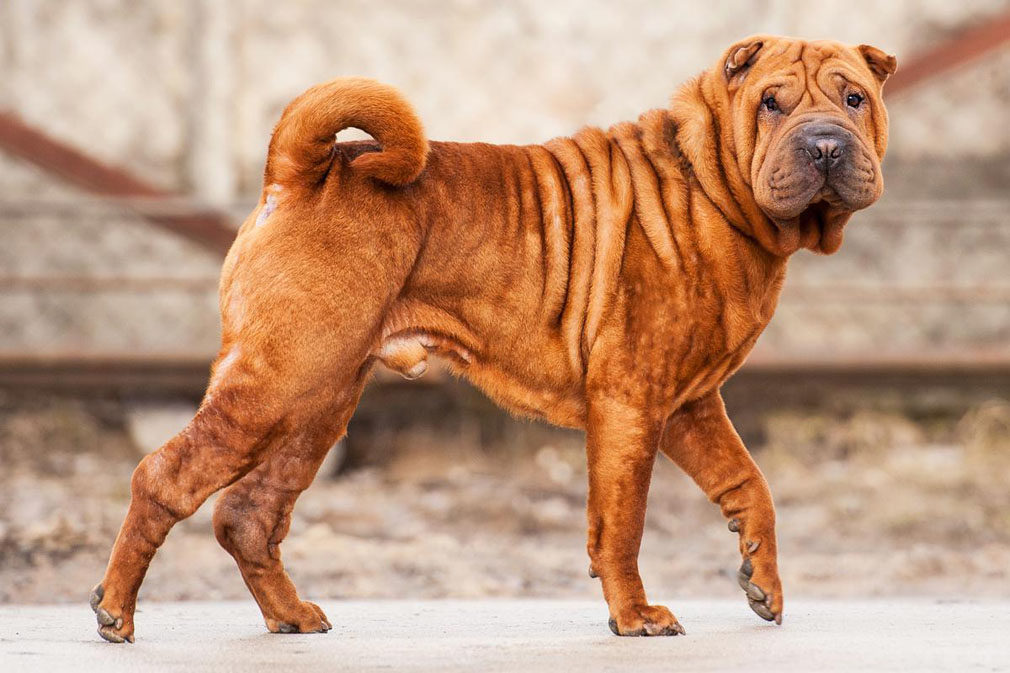
Shar-Pei Fever is a hereditary condition that affects nearly one in four Shar-Pei dogs. It is also known as Familial Shar-Pei Fever (FSF) and Shar-Pei Autoinflammatory Disease (SPAID). This condition is characterized by recurrent episodes of fever and swelling of the hocks, which are the ankles of the dog. Affected dogs experience recurrent episodes of fever, listlessness, lack of appetite, and pain accompanied by tibiotarsal joint (hock) swelling. Fevers typically last 12 to 36 hours and can go as high as 107ºF.
It is important to note that Shar-Pei Fever is not contagious and cannot be spread from one dog to another. It is an inherited disorder that occurs when both parents carry the gene mutation responsible for this condition. If both parents are carriers, there is a 25% chance that their puppies will develop Shar-Pei Fever.
The symptoms of Shar-Pei Fever vary from dog to dog but generally include fever, lethargy, loss of appetite, joint pain, and hock swelling. The fever can range from mild to severe and may last up to several days at a time. In some cases, the fever may recur multiple times within a short period of time or over several weeks or months. Other symptoms may include vomiting, diarrhea, dehydration, weight loss, depression, and difficulty breathing.
Diagnosis of Shar-Pei Fever usually involves a physical examination by your veterinarian along with blood tests and other diagnostic tests such as x-rays or ultrasound imaging. Your veterinarian may also recommend genetic testing in order to determine if your pet carries the gene mutation responsible for this condition. Treatment for Shar-Pei Fever typically includes antibiotics or anti-inflammatory medications such as corticosteroids or nonsteroidal anti-inflammatory drugs (NSAIDs). In some cases surgery may be necessary in order to reduce inflammation around affected joints or remove fluid buildup in the abdomen caused by infection or inflammation.
It is important to note that while there is no cure for Shar-Pei Fever it can be managed with proper care and treatment from your veterinarian. With early diagnosis and prompt treatment most affected dogs can live long healthy lives with minimal discomfort caused by this condition. It’s also important to keep in mind that even though this condition has been linked to certain breeds it can affect any breed so it’s important for all pet owners to be aware of its signs and symptoms so they can seek prompt medical attention if needed.