
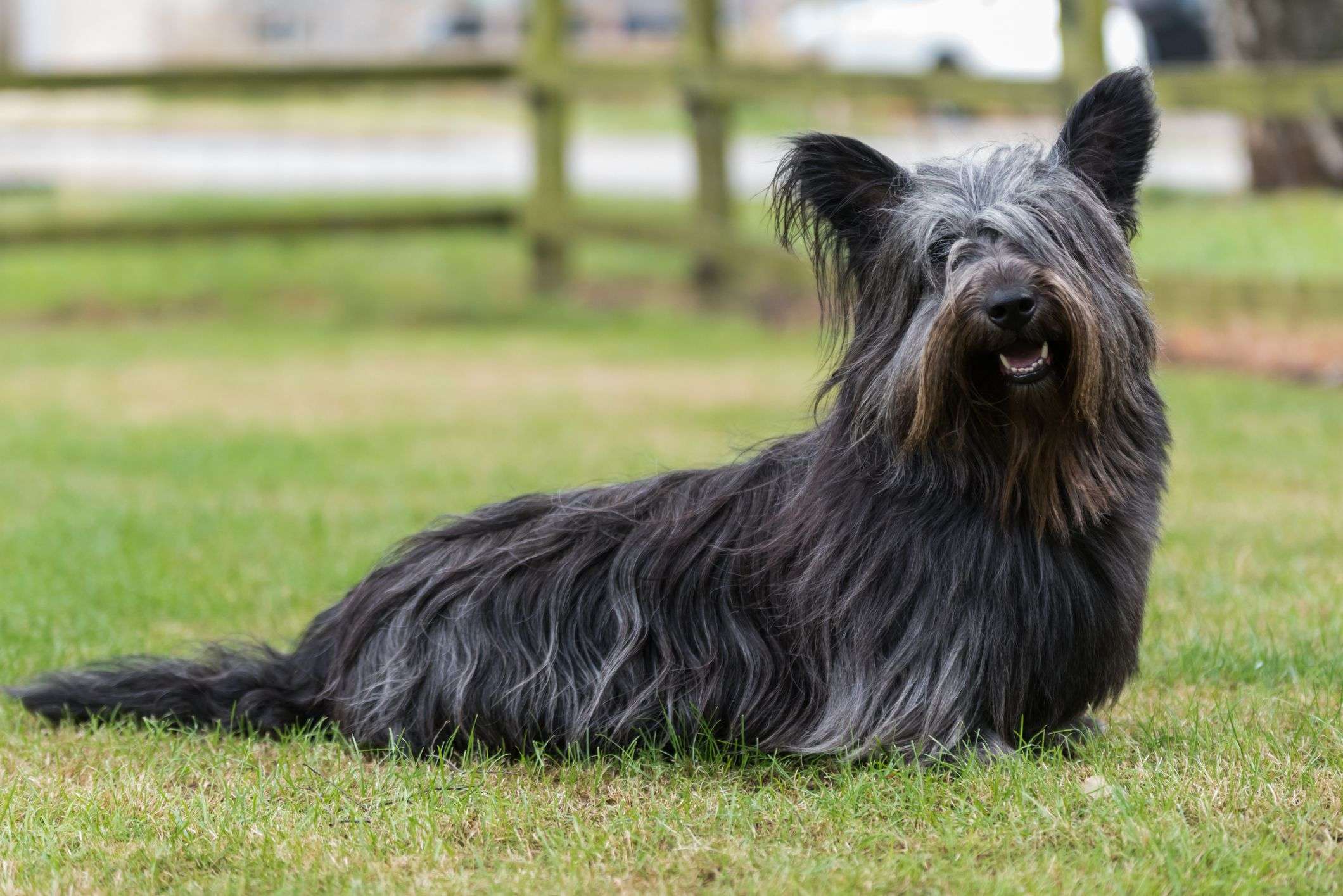
Skye Terriers, with their distinctive long and flowing coats, is a rare breed of terrier that originated in Scotland. While they may not be as well-known as some other terrier breeds, Skye Terriers have a lot to offer as pets. In this article, we will compare Skye Terriers to other terrier breeds and explore what makes them stand out.
1. Coat The most obvious difference between Skye Terriers and other terrier breeds is their coat. Skye Terriers have long, straight, and flowing coats that can come in a range of colors including black, gray, cream, and silver. This makes them stand out from other terrier breeds, which typically have shorter and more wiry coats.
2. Size Skye Terriers are a medium-sized breed, typically weighing between 35-45 pounds and standing 9-10 inches tall at the shoulder. This puts them on the larger end of the terrier spectrum, with many terrier breeds weighing less than 20 pounds.
3. Temperament Skye Terriers are known for their loyalty and affection towards their owners. They are also known to be intelligent, independent, and sometimes stubborn. While they may not be as outgoing as some other terrier breeds, they make great companions for those who are looking for a loyal and devoted companion.
4. Exercise needs Skye Terriers to have moderate exercise needs and are happy with a daily walk and some playtime in the backyard. They are not as high-energy as some other terrier breeds, which makes them a good fit for those who don’t have as much time or energy to devote to a highly active dog.
5. Grooming Requirements As mentioned earlier, Skye Terriers have long and flowing coats that require regular grooming to keep them looking their best. This includes daily brushing and occasional bathing. Compared to some other terrier breeds, such as the West Highland White Terrier or the Scottish Terrier, Skye Terriers require more intensive grooming.
6. Trainability Skye Terriers are intelligent and eager to please, which makes them generally easy to train. However, they can be stubborn at times and may require extra patience and consistency in training. Compared to some other terrier breeds, such as the Jack Russell Terrier or the Yorkshire Terrier, Skye Terriers are generally easier to train.
7. Health Like all dog breeds, Skye Terriers are prone to certain health issues. These can include hip dysplasia, allergies, and autoimmune diseases. However, with proper care and regular veterinary check-ups, Skye Terriers can live long and healthy lives. Compared to some other terrier breeds, Skye Terriers have a relatively low incidence of health problems.
8. Adaptability Skye Terriers are adaptable dogs that can do well in a variety of living situations. They are happy in both urban and rural environments and can adapt to living in small apartments or larger homes with yards. Compared to some other terrier breeds, such as the Airedale Terrier or the Border Terrier, Skye Terriers are less prone to boredom and destructive behavior when left alone for long periods of time.
9. Sociability Skye Terriers can be shy or reserved around strangers, which can make them good watchdogs. However, they are generally friendly with their family members and can get along well with other pets if properly socialized from a young age. Compared to some other terrier breeds, such as the Rat Terrier or the Cairn Terrier, Skye Terriers are less prone to aggressive behavior toward other dogs.
10. Rarity Skye Terriers are a rare breed, with only a few hundred puppies being registered with the American Kennel Club each year.