
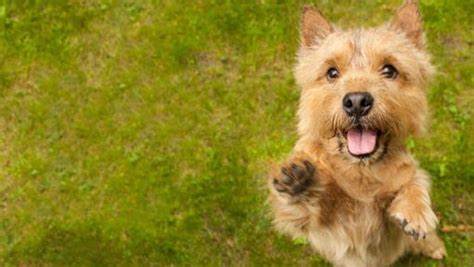
Dogs are amazing creatures that can communicate with us in ways that we may not even realize. They use a variety of body language to express their feelings and intentions, from the way they hold their tails to the position of their ears and eyes. Understanding these signals can help us better understand our canine companions and build stronger relationships with them.
What is Dog Body Language?
Dog body language is the way dogs communicate with each other and with humans. It includes facial expressions, posture, tail wagging, barking, growling, and more. By understanding these signals, we can gain insight into what our dogs are feeling or trying to tell us.
How Can I Read My Dog’s Body Language?
Reading your dog’s body language is an important skill for any pet owner. To start, look for signs of relaxation such as a loose body posture or relaxed facial expression. A dog who is feeling confident may have its tail held up like a flag or its ears perked up in interest. On the other hand, a fearful or anxious dog may tuck its tail between its legs and avoid eye contact.
It’s also important to pay attention to your dog’s tail wagging speed and intensity; a slow wag usually indicates contentment while a fast wag could mean excitement or arousal. Additionally, watch out for signs of aggression such as direct staring or raised hackles (the fur on the back of the neck standing up). These behaviors should be taken seriously and addressed immediately by removing your dog from the situation if necessary.
What Are Some Common Misconceptions About Dog Body Language?
One common misconception about dog body language is that all dogs show their emotions in the same way; however, this isn’t true as each individual has its own unique set of signals it uses to communicate with others. Additionally, some people believe that all dogs are naturally aggressive; however, this isn’t true either as aggression is often caused by fear or anxiety rather than an innate desire to hurt someone else. Finally, many people think that all dogs will respond positively when given treats; however, this isn’t always true as some dogs may be too scared or uncomfortable to accept food from strangers.