
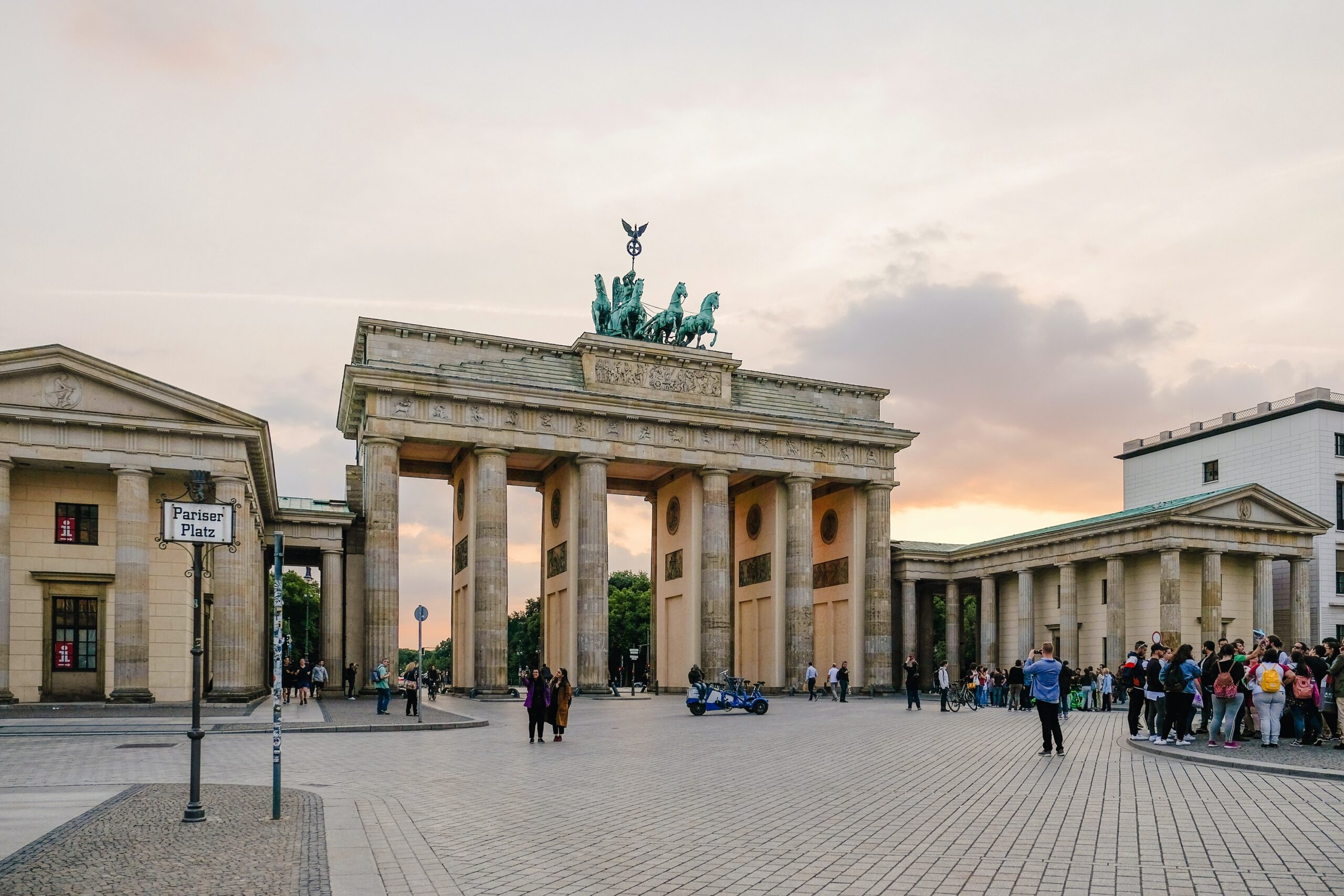
It’s that time of year again—a few weeks off from work, a desire to rest and relax, and a desire to travel and explore new places, people, and breathtaking natural beauty. Your little furry friend, however, is curled up in the corner of your living room, staring at you with wide eyes and waiting to show you all the love in the world.
You can’t just abandon them, can you? Fortunately for you, we have some fantastic advice and recommendations for the ideal vacation spot that will please you and your mooch.
In Europe, Germany is known as one of the dog-friendliest nations. Almost everywhere—except for supermarkets and food stores—allows dogs, and it’s uncommon to see a sign that clearly states “No dogs allowed.” Dogs in Germany are well-behaved because they receive thorough training at a young age, which accounts for their excellent behavior.
Our local spotters in Germany found these spots for you and your dog to enjoy:
Amelie’s Wohnzimmer (Frankfurt)
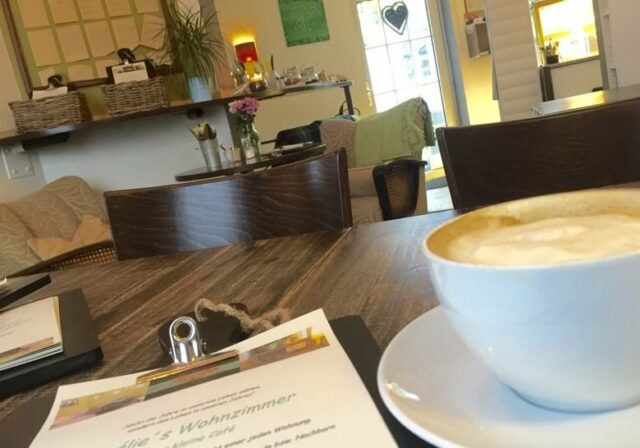
In the center of Sachsenhausen is a cozy and charming little eatery called Amelie’s Wohnzimmer. Breakfast is a popular meal here and is available until 5:00 pm. The staff also provides coffee and freshly baked cakes.
The staff is friendly and courteous, taking care of you and returning with small extras needed. It’s the ideal location for eating with your dog. Dogs are given a glass of water and a small piece of sausage as a special incentive right away. This location consistently provides its guests with a pleasant atmosphere.
Loewen Gastwirtschaft (Hamburg)
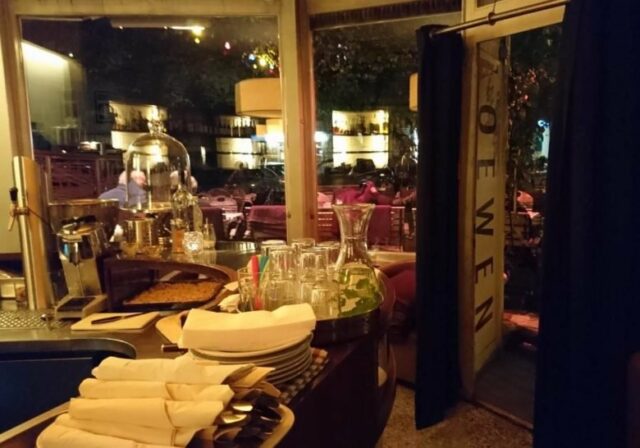
This tavern is a well-liked gathering spot in the Eppendorf neighborhood. It is a hidden gem for folks who want to relax and take a break from all the fancy-schmancy typically seen in Eppendorf because of the nice seating, cozy lighting, and helpful personnel.
Cakes, many types of tea and coffee, hot chocolate, wine, and many other items are available on the menu. During your stay, time seems to have stopped, and you get the feeling of home and value. The staff warmly welcomes everyone, including the furry visitors.
Grunewald (Berlin)
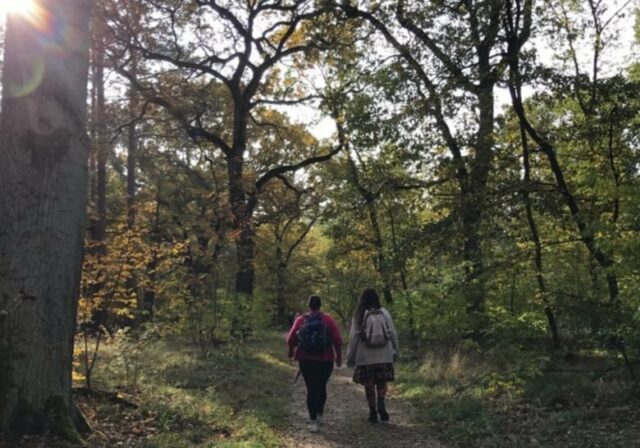
West of Berlin, on the east bank of the Havel River, is where Grunewald is situated. It is located near the Grunewald S-Bahn station. There are numerous pathways for riding and hiking where you may appreciate nature.
Along with the Grunewald Tower, the famed Teufelsberg (a man-made pile of rubble covering an unfinished Nazi military-technical institution) is also nearby if you’re up for an adventure.
If you bring your dog, Grunewaldsee, a lake reserved for canines, is a genuine delight. Yes, it fits that description. Even if you don’t have a dog, it’s worthwhile to go. You will undoubtedly end up with paw prints on your clothes, though.
Wittelbacher Bridge (Munich)
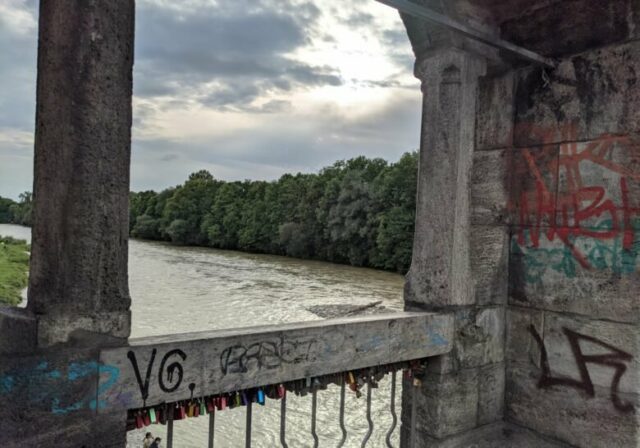
The Wittelsbacher Bridge spans the Isar River, not far from the city centre. It is a popular place in Munich. Sitting here in this little corner, watching the people below, chatting with a friend, watching the surfers below, watching the sun set and rise.
From here, you can hear the revellers as the sun goes down and the music starts playing, you can smell the smoke of people barbecuing further down the river in the summer.
Everything and nothing can happen when you sit here. It’s as if you are in the middle of the action but have stopped. It’s a place where you can rest, let everything sink in, and feel like you are in Munich.
Gremberger Waldchen (Cologne)
The Gremberger Waeldchen, a piece of history, is one of the older forests in Cologne – one of the oldest trees in the city grows here, a copper beech from the 18th century. In summer, it is quiet and peaceful here; a small café in the forester’s house from 1912 entertains the walkers, runners and dog owners who come here every day.
But from 1942 to 1945, there was a Nazi forced labour camp for people from the Soviet Union, Ukraine, Poland and France. On 04.08.1945, men of the Volkssturm surrounded the camp and fired rifles through the barracks windows. After that, they burned down the barracks to “eliminate the centre of an epidemic”, as the commanding officer explained.
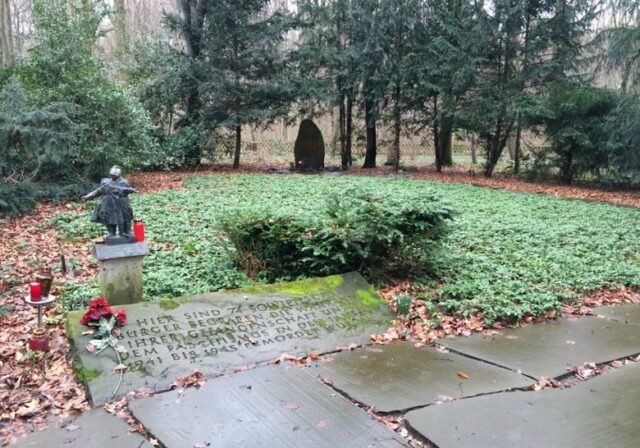
Today there is a small memorial in the woods with a statue on a memorial stone with an inscription referring to the 74 prisoners buried here – both victims of the destruction of the camps and prisoners who died before 1945. Behind the rock is an open area of flowerbeds, now all green and framed by a path of rough stone slabs.