
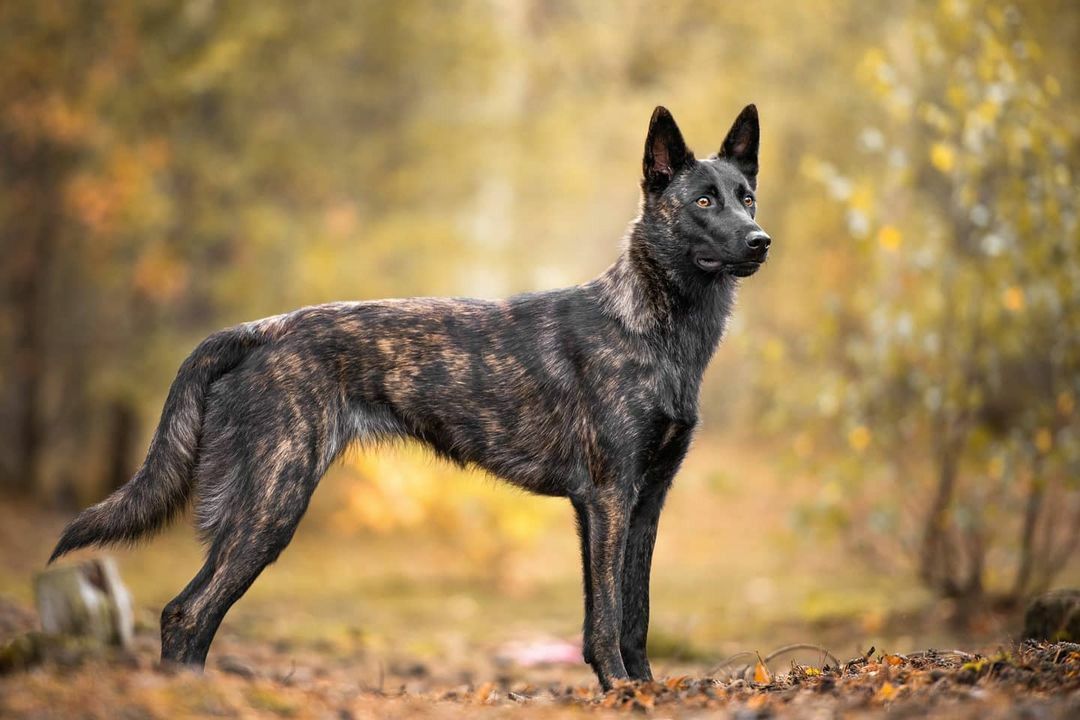
The Dutch Shepherd is a remarkable dog breed that has a rich history spanning several centuries. With its exceptional intelligence, agility, and strong work ethic, this breed has played an important role in the lives of Dutch farmers, shepherds, and law enforcement officers for generations. In this article, we will explore the fascinating history of the Dutch Shepherd and its evolution from a humble farm dog to a versatile and highly skilled working dog.
Origins of the Dutch Shepherd
The origins of the Dutch Shepherd can be traced back to the early 1800s in the Netherlands, where the breed was initially developed as a farm dog to help Dutch farmers and shepherds with various tasks. These tasks included herding sheep and cattle, guarding livestock and property, and pulling carts and wagons. The breed was also used to help control vermin on farms and in homes.
The Dutch Shepherd is believed to have descended from several types of dogs, including the Belgian Shepherd, the German Shepherd, and the Dutch Partridge Dog. The breed was initially bred for function rather than appearance, and as a result, the Dutch Shepherd comes in three coat varieties: short-haired, long-haired, and wire-haired.
The Dutch Shepherd’s Role in World War II
During World War II, the Dutch Shepherd played a significant role in the resistance movement against the German occupation of the Netherlands. The breed was used by the Dutch resistance fighters to carry messages, transport food and supplies, and even help prisoners escape from Nazi captivity.
The Dutch Shepherd was also used by the Dutch police force as a tracking dog during the war. These dogs were trained to track down enemy soldiers, detect hidden weapons, and search for explosives. The breed’s exceptional sense of smell and intelligence made them valuable assets to the Dutch resistance and police force during the war.
Post-War Era and the Decline of the Breed
After the war, the Dutch Shepherd’s popularity began to decline as the need for working dogs decreased. Many farmers and shepherds turned to mechanized equipment for their farm work, and the breed’s versatility was no longer as necessary. The breed also faced competition from other working breeds, such as the German Shepherd, which was becoming more popular in the Netherlands.
By the 1960s, the Dutch Shepherd had nearly disappeared, and it was only through the efforts of a few dedicated breeders that the breed was saved from extinction. These breeders worked to preserve the Dutch Shepherd’s working abilities and maintain the breed’s health and temperament.
The Dutch Shepherd Today
Today, the Dutch Shepherd is once again gaining popularity as a versatile working dog. The breed is used by law enforcement agencies and search and rescue teams around the world for its exceptional tracking abilities and its drive to work. The Dutch Shepherd is also used in various dog sports, including obedience, agility, and Schutzhund.
The breed’s intelligence and trainability have made it a popular choice for families looking for an active and loyal companion. The Dutch Shepherd is an excellent watchdog and is protective of its family and home. However, it is important to note that the breed’s high energy level and strong work ethic require an experienced owner who can provide the dog with plenty of exercises and mental stimulation.
The Dutch Shepherd is a fascinating dog breed with a rich history spanning several centuries. From its humble beginnings as a farm dog in the Netherlands to its role in the resistance movement during World War II, the Dutch Shepherd has played an important role in the lives of many people. Today, the breed is once again gaining popularity as a versatile working dog and loyal companion. The Dutch Shepherd’s intelligence, drive to work, and protective nature makes it an excellent choice for experienced dog owners looking for an active and loyal companion.