
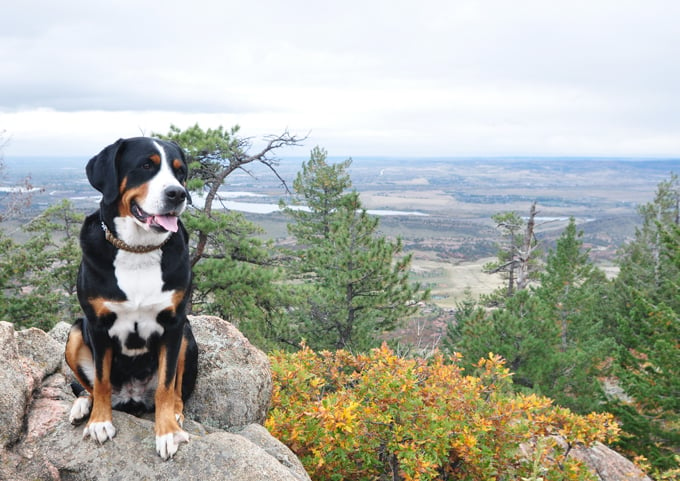
The Greater Swiss Mountain Dog, also known as the Swissy, is a large breed of dog that originated in Switzerland. The breed is believed to have descended from large Mastiff-type dogs that were brought to Switzerland by Roman armies over 2,000 years ago. These dogs were used as guard dogs, herders, and draft animals.
In the Swiss Alps, the Greater Swiss Mountain Dog was used primarily as a draft dog, hauling heavy loads of cheese, milk, and other goods from the mountain villages to the marketplaces below. They were also used as watchdogs and herders, helping to keep livestock in line and protect them from predators.
However, by the end of the 19th century, the breed was on the verge of extinction. The rise of industrialization and the decline of traditional farming practices led to a decrease in demand for working dogs like the Swissy. It wasn’t until a man named Albert Heim, a professor of zoology at the University of Zurich, took notice of the breed and began a breeding program to revive it.
In 1908, the first Greater Swiss Mountain Dog club was established in Switzerland. The breed was recognized by the Swiss Kennel Club in 1910, and by the International Federation of Kennel Clubs in 1939. Today, the Greater Swiss Mountain Dog is still a rare breed, but it is gaining popularity in the United States and other countries around the world.
The Greater Swiss Mountain Dog is a strong, muscular breed that stands between 23 inches tall at the shoulder and can weigh up to 140 pounds. They have a short, dense coat that is black with rust and white markings. Their temperament is described as loyal, friendly, and intelligent, making them excellent family pets as well as working dogs.
In addition to their work as draft dogs and herders, the Greater Swiss Mountain Dog has also been used as a search and rescue dog, a therapy dog, and even as a police dog. Their versatility and intelligence make them an adaptable breed that can excel in many different roles.
Overall, the Greater Swiss Mountain Dog has a rich history that reflects the rugged, independent spirit of the Swiss people. While their primary role as working dogs has diminished over time, their enduring popularity as beloved family pets is a testament to their strength, loyalty, and intelligence.