
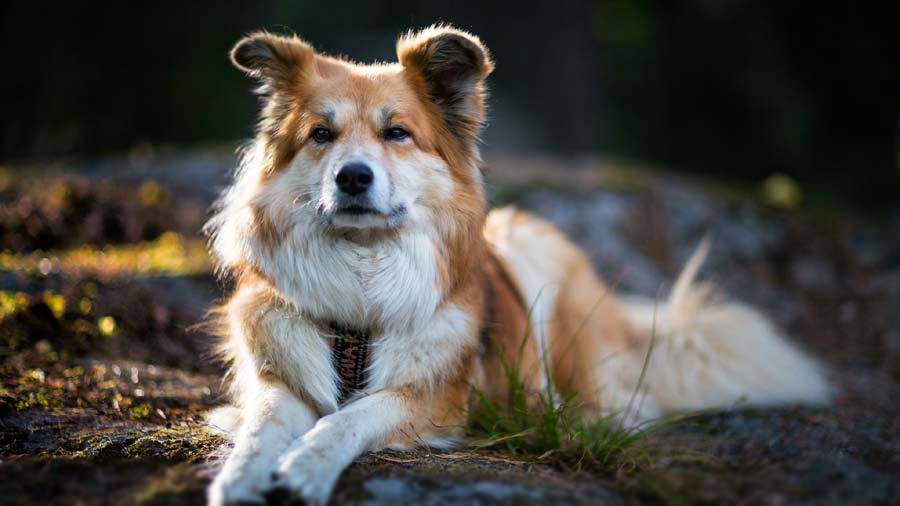
The Icelandic Sheepdog is one of the oldest dog breeds in the world, with a history that dates back over 1,000 years. This breed was originally bred to help Icelandic farmers manage their flocks of sheep and protect them from predators. The Icelandic Sheepdog is a small to medium-sized breed that is known for its friendly and playful nature, as well as its intelligence and loyalty. In this article, we will explore the fascinating history of the Icelandic Sheepdog, from its origins in Iceland to its current status as a beloved family pet.
Origins of the Icelandic Sheepdog
The Icelandic Sheepdog is believed to have been brought to Iceland by Viking settlers around 874 AD. These settlers brought with them a variety of animals, including dogs, which were used for a variety of tasks. The Icelandic Sheepdog was specifically bred to help manage flocks of sheep, which were essential to the survival of Icelandic farmers.
The breed was well-suited to the harsh Icelandic climate, with its thick, double coat providing protection from the cold and wet weather. The Icelandic Sheepdog was also valued for its ability to work independently, often herding sheep without the need for direct supervision.
The Icelandic Sheepdog became an important part of Icelandic culture, with many families keeping one or more dogs to help with their daily tasks. However, as Iceland became more modernized, the role of the Icelandic Sheepdog began to change.
Decline and Revival
In the early 20th century, the Icelandic Sheepdog began to decline in numbers. This was due in part to the importation of other dog breeds, which were seen as more exotic and fashionable. Additionally, the breed was threatened by a series of epidemics, including distemper and canine influenza.
By the 1960s, the Icelandic Sheepdog was on the verge of extinction. However, a group of dedicated breed enthusiasts began a concerted effort to save the breed. They formed the Icelandic Sheepdog Club, which worked to preserve the breed and promote its unique characteristics.
Through careful breeding and a focus on genetic diversity, the Icelandic Sheepdog was slowly revived. Today, the breed is still relatively rare, with only a few hundred dogs in existence outside of Iceland. However, it has gained a dedicated following of enthusiasts who appreciate its intelligence, loyalty, and playful nature.
Characteristics of the Icelandic Sheepdog
The Icelandic Sheepdog is a small to medium-sized breed, weighing between 20 and 30 pounds. It has a thick, double coat that is either short or medium-length, and comes in a variety of colors, including black, white, and gray.
One of the most distinctive features of the Icelandic Sheepdog is its curled tail, which is carried over the back when the dog is alert or excited. The breed is also known for its friendly and outgoing nature, as well as its intelligence and loyalty.
The Icelandic Sheepdog is an active breed that requires plenty of exercises and mental stimulation. It enjoys playing games and going for long walks or hikes with its owner. It also excels at agility and obedience training, making it a popular choice for dog sports enthusiasts.
The Icelandic Sheepdog is a fascinating breed with a long and rich history. Its origins in Iceland are closely tied to the country’s agricultural heritage, and its survival is a testament to the dedication of breed enthusiasts who worked tirelessly to revive the breed.
Today, the Icelandic Sheepdog is a beloved family pet, known for its friendly nature and playful personality. While it may be a relatively rare breed, it has gained a dedicated following of enthusiasts who appreciate its unique characteristics and history.