
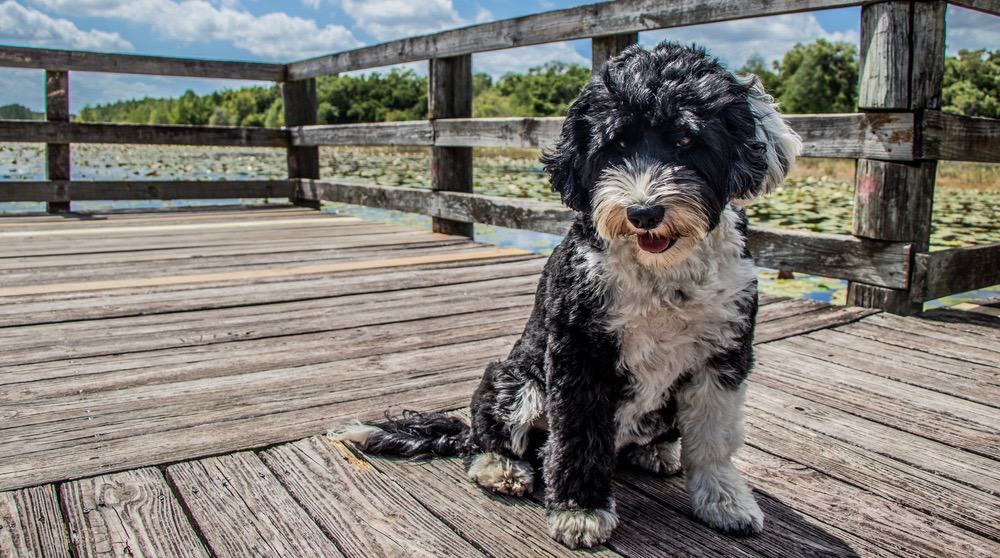
The Portuguese Water Dog (PWD) is a breed of dog that has a rich and fascinating history in maritime culture. These intelligent and versatile dogs were originally bred to work alongside fishermen in Portugal, where they would assist in catching fish and retrieving nets. Over time, their reputation as skilled and reliable workers grew, and PWDs became sought after in other parts of the world as well.
In this blog post, we will be tracing the legacy of Portuguese Water Dogs in maritime history. We will explore their origins in Portugal, their role in fishing communities, and their subsequent impact on the maritime culture around the world.
Origins of the Portuguese Water Dog
The exact origins of the Portuguese Water Dog are uncertain, but it is believed that they have been around for centuries. These dogs were originally bred in Portugal for their skills as working dogs, and their ability to swim in rough waters and retrieve nets made them an essential part of fishing communities.
The breed is said to have evolved from a mix of ancient Mediterranean dogs and other breeds brought to Portugal by traders and fishermen. Their name, Cão de Água, literally translates to “dog of water” in Portuguese, which reflects their close association with the sea.
The Role of Portuguese Water Dogs in Fishing Communities
In fishing communities along the Portuguese coast, PWDs were highly valued for their skills as working dogs. They would accompany fishermen on their boats and help retrieve nets, as well as guard the catch and carry messages between boats.
PWDs were also known for their ability to swim in rough waters, which made them invaluable in retrieving fishermen who had fallen overboard. The breed is said to have been so skilled in this area that they were often used as lifeguards in Portuguese waters.
As fishing methods changed over time, the role of PWDs in fishing communities began to decline. However, their reputation as skilled and reliable working dogs continued to grow, and they eventually found a new role in maritime culture as companion animals and show dogs.
Portuguese Water Dogs in Maritime Culture Around the World
As Portuguese explorers traveled the world in the 15th and 16th centuries, they often brought PWDs with them on their voyages. This helped to spread the breed throughout the world, and soon they were being used in other parts of Europe and beyond.
In the United States, the breed was first brought over in the 1950s by a wealthy American couple who had seen them in Portugal and fallen in love with them. They soon began breeding PWDs and showing them in dog shows, which helped to popularize the breed in the US.
However, it wasn’t until the 21st century that PWDs gained widespread attention in the US, thanks in part to their association with the Obamas. When Barack Obama was elected president in 2008, he and his family chose a PWD named Bo as their first family pet. This brought the breed into the national spotlight and helped to boost its popularity.
The Portuguese Water Dog is a fascinating breed with a rich history in maritime culture. From their origins in Portugal as working dogs to their current role as beloved pets and show dogs, PWDs have had a lasting impact on the maritime culture around the world.
Their skills as swimmers and retrievers made them invaluable to fishing communities in Portugal, and their reputation for intelligence and loyalty has made them popular with dog lovers everywhere. Whether they are working alongside fishermen or lounging on the sofa, PWDs continue to captivate and inspire people around the world.