
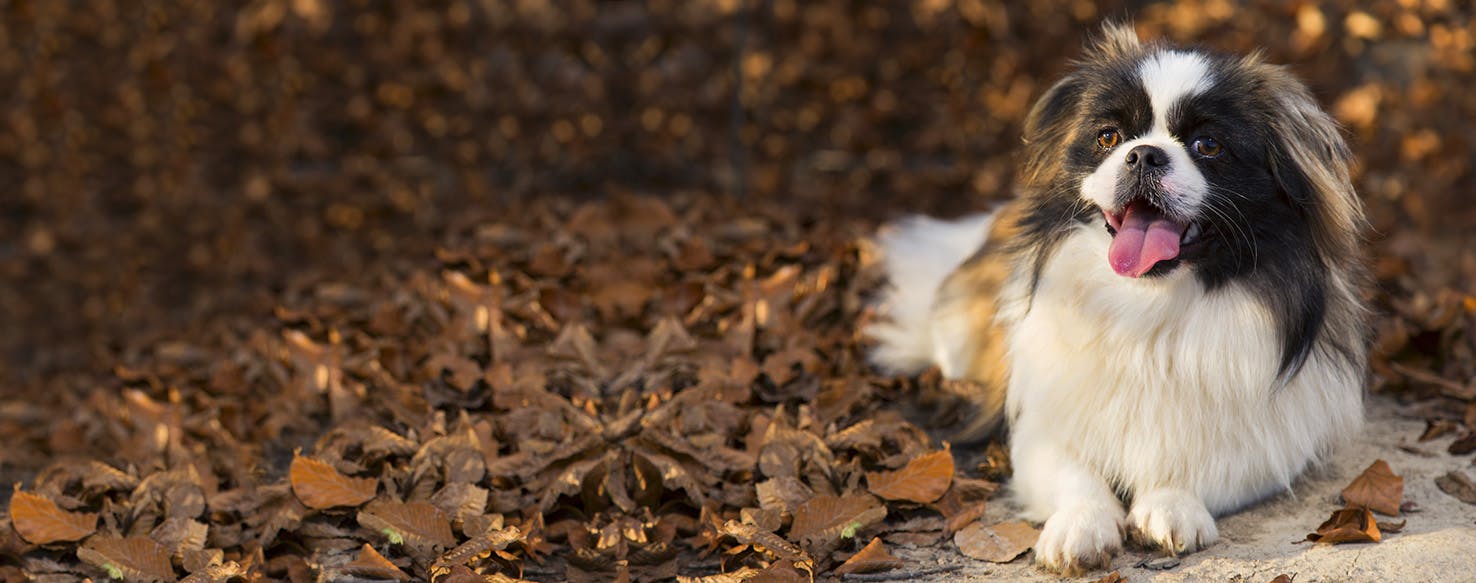
The Pekingese is a lovable breed that has captured the hearts of many dog owners around the world. While these dogs are known for their stubbornness and independence, they can be trained with patience and the right approach. One of the most effective training methods for Pekingese is positive reinforcement, which involves rewarding good behavior and ignoring bad behavior. In this blog, we’ll explore the power of positive reinforcement and how it can help you train your Pekingese with love.
What is Positive Reinforcement?
Positive reinforcement is a training method that rewards desirable behavior with a treat, praise, or affection. The goal of positive reinforcement is to increase the likelihood of a behavior being repeated in the future. When a Pekingese does something good, such as following a command or exhibiting good manners, the owner rewards them with a treat or praise. Over time, the dog learns that good behavior leads to positive outcomes and is more likely to repeat that behavior in the future.
Why is Positive Reinforcement Effective?
Positive reinforcement is effective because it is a humane and respectful way of training a dog. Unlike punishment-based training, which can be harsh and cause fear, positive reinforcement focuses on good behavior and reinforces it. This creates a positive association with training and helps to build a strong bond between the owner and the dog. Positive reinforcement also encourages the dog to think for themselves and learn through trial and error, which can lead to a more confident and independent dog.
Steps to Using Positive Reinforcement for Pekingese Training
Step 1: Set Clear Expectations
Before you begin training your Pekingese with positive reinforcement, it’s important to set clear expectations. Decide what behaviors you want to reinforce and make sure that everyone in the household is on the same page. This will help to ensure consistency in the training process and prevent confusion for your dog.
Step 2: Choose the Right Rewards
When choosing rewards for your Pekingese, it’s important to find something that they find valuable. This could be a favorite treat, a toy, or verbal praise. Make sure to choose a reward that your dog is excited about and will work hard to earn.
Step 3: Use Positive Reinforcement Consistently
Consistency is key when using positive reinforcement for Pekingese training. Make sure to reward your dog every time they exhibit the desired behavior, even if it’s just a small step in the right direction. Consistency will help your dog learn faster and make the training process more effective.
Step 4: Be Patient
Positive reinforcement training takes time and patience. Don’t expect your Pekingese to learn everything overnight. Instead, focus on small steps and celebrate each success along the way. With patience and persistence, your Pekingese will learn the desired behavior and become a well-behaved companion.
Step 5: Use Positive Reinforcement in Everyday Situations
Positive reinforcement can be used in a variety of everyday situations to reinforce good behavior. For example, you can reward your Pekingese for sitting calmly when visitors come to the door or for walking politely on a leash. By using positive reinforcement consistently, you’ll create a positive association with training and help your dog become a well-behaved member of the family.
Techniques for Positive Reinforcement Training
In the first part of this blog, we discussed the benefits of positive reinforcement training and the steps involved in implementing this method with your Pekingese. In this section, we’ll dive deeper into some specific techniques that you can use to train your Pekingese with love.
Clicker Training
Clicker training is a popular method of positive reinforcement that involves using a clicking sound to mark a desired behavior, followed by a treat or reward. This technique is particularly useful for Pekingese who is easily distracted, as the clicker sound captures their attention and reinforces the desired behavior. Clicker training can be used for a variety of behaviors, from basic obedience commands to more complex tricks.
To begin clicker training with your Pekingese, start by teaching them to associate the sound of the clicker with a reward. Click the clicker and immediately give your dog a treat. Repeat this several times until your dog starts to associate the sound of the clicker with the treat. Once your dog has made this association, you can start using the clicker to mark and reward specific behaviors.
Target Training
Target training is a technique that involves teaching your Pekingese to touch a specific object, such as your hand or a target stick, with their nose or paw. This technique is particularly useful for teaching your Pekingese to follow you, to come when called, and to stay in a specific spot.
To begin target training, start by presenting the object to your Pekingese and rewarding them with a treat when they touch it with their nose or paw. Repeat this several times until your Pekingese starts to associate the object with the reward. Once your Pekingese has made this association, you can use the object to guide them through different behaviors, such as following you or staying in a specific spot.
Shaping
Shaping is a technique that involves breaking down a desired behavior into small, manageable steps and rewarding your Pekingese for each step in the process. This technique is particularly useful for teaching complex behaviors, such as rolling over or playing dead.
To begin shaping, start by rewarding your Pekingese for any behavior that is similar to the desired behavior, such as lying down on command. Gradually shape the behavior by rewarding your Pekingese for increasingly closer approximations to the desired behavior, such as lying down with their head to the side. Over time, your Pekingese will learn the entire behavior and you can reward them for completing the entire sequence.
Lure-Reward Training
Lure-reward training involves using a treat to lure your Pekingese into a desired position, such as sitting or lying down and then rewarding them with the treat. This technique is particularly useful for teaching basic obedience commands.
To begin lure-reward training, start by holding a treat in front of your Pekingese’s nose and slowly moving it over their head. As your Pekingese follows the treat with their nose, their rear end will naturally lower to the ground, causing them to sit. As soon as your Pekingese sits, give them the treat as a reward. Repeat this several times until your Pekingese starts to associate the command “sit” with the behavior of sitting.
Positive reinforcement training is a powerful tool for training your Pekingese with love. By using rewards to reinforce good behavior, you can teach your Pekingese to be well-behaved and obedient without resorting to harsh punishment. Clicker training, target training, shaping, and lure-reward training are just a few of the techniques that you can use to train your Pekingese with positive reinforcement. Remember to set clear expectations, choose the right rewards, be consistent, and be patient.