
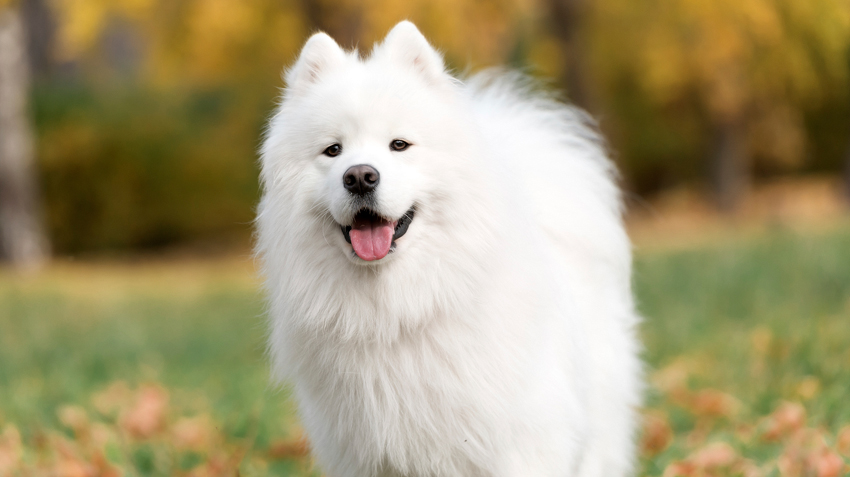
The Samoyed is a substantial but graceful dog standing anywhere from 19 to a bit over 23 inches at the shoulder. Powerful, tireless, with a thick white coat, the Samoyed is truly an ancient breed, selected by nomadic tribes in Siberia to herd their reindeer and double as sled pullers when needed. Originally, these dogs were also used as hunting dogs and guardians, but they have since become popular family pets known for their friendly dispositions and loyalty.
While the Samoyed may seem like a relatively recent addition to the world of dog breeds, they are actually one of the oldest breeds in existence. The first recorded mention of the Samoyed people and their dogs dates back to the year 1000 AD. However, it is believed that the breed actually originated much earlier than that. DNA evidence suggests that the Samoyed is closely related to other spitz-type breeds such as the Alaskan Malamute and the Siberian Husky.
The Samoyed people are a nomadic tribe who originally lived in northwestern Siberia. They were known for their skill in hunting and sledding, and their dogs were an integral part of their way of life. The Samoyed dog was bred specifically for these purposes, and they proved to be invaluable companions to their owners.
When the Samoyed people began to migrate southward into Russia in the 1800s, they brought their dogs with them. It was during this time that the breed began to gain popularity outside of Siberia. In 1858, one of the first Samoyeds was imported into England. He was given to Queen Victoria as a gift from the Czar of Russia.
The Samoyed quickly became a favorite of the British aristocracy, and they were soon being imported into other parts of Europe and North America. The breed continued to grow in popularity throughout the late 19th and early 20th centuries. Today, they are recognized by all major kennel clubs around the world and are considered one of the most popular dog breeds in existence.
The Samoyed is best known for their thick white coat, which is why they are often referred to as “the smiling dog” or “the happy dog”. This coat is actually made up of two layers – a dense undercoat which insulates against cold weather, and a longer outer coat which repels water and snow. The coat requires regular grooming in order to keep it looking its best.
The thick coat is not only beautiful but it also serves an important purpose – it protects the Samoyed from cold weather conditions. In fact, these dogs are able to withstand temperatures as low as -60 degrees Fahrenheit! This makes them an ideal choice for families who live in colder climates or who enjoy spending time outdoors in winter months.
Despite their thick coats, Samoyeds are not heavy shedders – although they do shed more heavily during spring and fall when they are “blowing out” their coats. Regular brushing will help to reduce shedding and keep your home clean.
If you are considering adding a Samoyed to your family, there are a few things you should know about this breed before making your decision. First of all, Samoyeds require a significant amount of exercise – they are very active dogs who need plenty of space to run and play. A daily walk or run is essential, along with regular trips to a dog park or other safe off-leash area where they can burn off some energy.
In addition to exercise, Samoyeds need mental stimulation in order to stay happy and healthy. They love learning new tricks and playing games – anything that will keep their minds active and engaged. Without enough mental stimulation, Samoyeds can become bored or even destructive. Be sure to set aside time each day for playtime with your dog if you want to avoid behavioral problems down the road.