
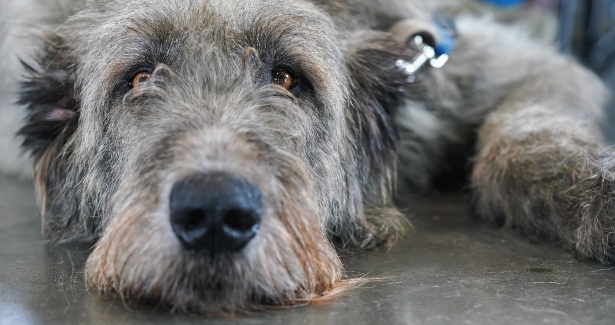
The Scottish Deerhound is not only a majestic and ancient breed of dog, but it has also played an important role in art and literature throughout history. In this blog post, we will explore the cultural history of the Scottish Deerhound, from its depictions in ancient art to its portrayal in modern literature.
Ancient Art
The Scottish Deerhound is believed to have been depicted in ancient Egyptian art, where it was shown hunting gazelles and other small game. The breed was also popular in ancient Rome, where it was used for hunting and as a companion animal. Scottish Deerhounds were often depicted in art from this period, including frescoes, mosaics, and sculptures.
Literature
The Scottish Deerhound has also played an important role in literature throughout history. One of the most famous literary references to the breed is in Sir Walter Scott’s novel “Waverley”, in which a Scottish Deerhound named Maida is the loyal companion of the hero. The breed has also appeared in the works of other famous authors, including Edgar Allan Poe, Emily Bronte, and Robert Louis Stevenson.
Art
In the world of art, the Scottish Deerhound has been portrayed by many famous artists over the years. One of the most famous depictions of the breed is the painting “Two Deerhounds” by Sir Edwin Landseer, which shows two Scottish Deerhounds lounging on a hillside. The breed has also been depicted in other famous works of art, including sculptures, tapestries, and portraits.
In conclusion, the Scottish Deerhound has played an important role in art and literature throughout history. From its depictions in ancient art to its portrayal in modern literature, the breed has captured the hearts and imaginations of people around the world for thousands of years.