
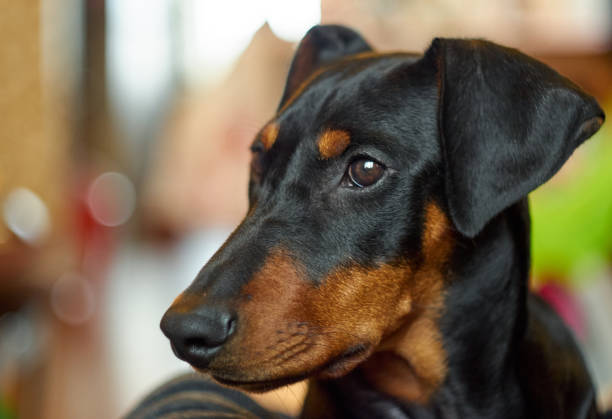
The German Pinscher is a breed of dog that has been around for centuries. Bred to hunt rodents and guard the home, they are intelligent, energetic, and loyal. However, these qualities also make them strong-willed and independent, which can pose a challenge when it comes to training. In this guide, we will explore the best techniques for training your German Pinscher and developing a happy and well-behaved companion.
Understanding the German Pinscher
Before delving into training techniques, it is essential to understand the characteristics and temperament of the German Pinscher. These dogs are medium-sized, with muscular and athletic builds. They have short, sleek coats that come in various shades of black, brown, and fawn. German Pinschers are highly energetic and require daily exercise and mental stimulation to stay healthy and happy.
German Pinschers are known for their intelligence and independence, which means they can be stubborn at times. However, they are also loyal and eager to please their owners, making them a great choice for a family pet. As with any breed, early socialization is key to preventing aggression or fear-based behaviors.
Basic Training Techniques
German Pinschers are intelligent dogs and can quickly pick up on new commands and behaviors. However, they can also become bored or distracted, so training sessions should be short and focused. Positive reinforcement techniques, such as treats or praise, are ideal for this breed.
Basic obedience training should begin as early as possible. Start with simple commands like “sit” and “stay,” gradually adding more complex commands as your dog becomes more proficient. Consistency is crucial, and all family members should use the same commands and techniques to avoid confusion.
Socialization is also important for German Pinschers. Early exposure to people, other animals, and different environments can prevent fear-based behaviors later in life. Puppy classes and regular outings to the park or dog-friendly cafes can help with socialization.
Challenges in Training a German Pinscher
While German Pinschers are intelligent and eager to please, their independence can make training a challenge. They may be prone to testing boundaries or ignoring commands if they believe they can get away with it. As such, it is important to establish yourself as the pack leader early on and be consistent in your training.
German Pinschers can also be high-energy dogs, which can make them prone to destructive behavior if they don’t get enough exercise or mental stimulation. Regular walks, playtime, and puzzle toys can help keep them engaged and prevent destructive behaviors.
Tips for Successful Training
Training a German Pinscher requires patience, consistency, and a positive attitude. Here are some tips for successful training:
1. Start early: Basic obedience training should begin as early as possible, ideally when your puppy is between 8 and 12 weeks old.
2. Be consistent: Use the same commands and training techniques consistently to avoid confusion and establish a routine.
3. Use positive reinforcement: Treats, praise, and affection are all great ways to reward good behavior and encourage your dog to repeat it.
4. Exercise and mental stimulation: German Pinschers are energetic dogs and require regular exercise and mental stimulation to stay happy and healthy.
5. Socialization: Early socialization is key to preventing fear-based behaviors and aggression.
6. Establish yourself as the pack leader: German Pinschers respond well to strong, confident leaders, so it is important to establish yourself as the pack leader early on.
7. Don’t give up: Training a German Pinscher can be challenging, but don’t give up. With patience and consistency, you can develop a happy and well-behaved companion.
Training a German Pinscher requires patience, consistency, and a positive attitude.