
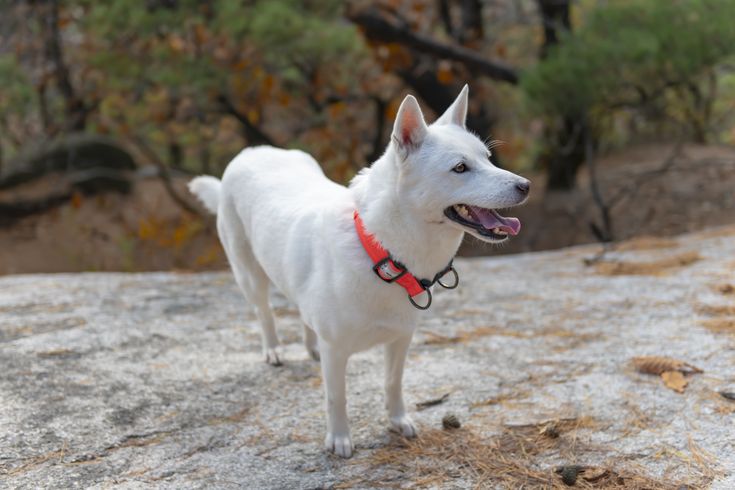
The Jindo dog breed is one of the most prized and beloved dog breeds in South Korea. Known for their loyalty, intelligence, and bravery, Jindos are admired by dog enthusiasts all over the world. In this article, we will explore the fascinating history of the Jindo dog breed, from its origins in Korea to its current status as a popular companion animal.
Origins of the Jindo Dog Breed
The Jindo dog breed is named after Jindo Island, located off the southwest coast of South Korea. The breed is believed to have originated from a mix of various dog breeds that were brought to Korea by traders and immigrants from China and the surrounding areas. The exact origins of the Jindo breed are still a topic of debate, but many historians believe that the breed has been around for over a thousand years.
The Jindo breed was initially developed as a hunting dog, particularly for hunting wild boars, deer, and rabbits. These dogs were prized for their agility, stamina, and loyalty to their masters. Jindos were also used for herding and guarding livestock, which further cemented their place in Korean culture.
Throughout history, the Jindo dog breed remained isolated on Jindo Island, with little to no outside breeding. This isolation allowed the breed to develop distinct physical and behavioral characteristics, which set them apart from other dog breeds in Korea and around the world.
Jindo Dogs in Korean Culture
The Jindo dog breed has played an important role in Korean culture for centuries. Jindos were revered for their loyalty, bravery, and intelligence, and were often used as gifts for royalty and other important figures.
In Korean folklore, the Jindo dog is often portrayed as a heroic and noble animal. There are many stories of Jindo dogs saving their masters from danger or showing remarkable feats of intelligence and loyalty.
Jindo dogs were also an integral part of traditional Korean ceremonies and rituals. They were often used in shamanistic rituals as spirit guides and were believed to be able to communicate with the gods. Even today, Jindo dogs continue to be an important part of Korean culture and are often featured in art, literature, and music.
Modern-Day Jindo Dogs
Today, the Jindo dog breed is still primarily found in South Korea, although there are small populations of Jindos in other parts of the world. The breed is recognized by the Korean Kennel Club and the United Kennel Club and is slowly gaining popularity in other countries.
Jindos are known for their loyalty and devotion to their owners, but they can be wary of strangers. They are highly intelligent and trainable but require an experienced owner who understands their unique personality and needs.
Jindos have a thick, double coat that helps them withstand the cold and wet weather of Jindo Island. They come in a variety of colors, including white, black, and tan, and have a muscular, athletic build.
In recent years, the Jindo dog breed has faced some challenges. The popularity of foreign dog breeds and the decline of traditional Korean rural life have led to a decrease in the number of Jindos in South Korea. However, efforts are being made to preserve the breed and raise awareness about its unique qualities and heritage.
The Jindo dog breed has a long and fascinating history, steeped in tradition and folklore. From its origins as a hunting and herding dog to its current status as a beloved companion animal, the Jindo has remained a symbol of loyalty, bravery, and intelligence. While the breed faces challenges in the modern world, its legacy and heritage continue to inspire dog lovers around the world.