
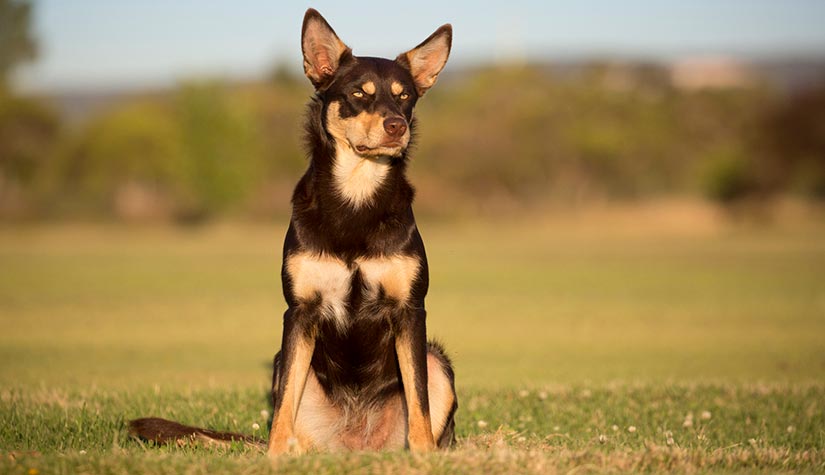
If you are a farmer or rancher in Australia, chances are you have heard of the Kelpie, one of the country’s most iconic dog breeds. Known for their unparalleled work ethic and intelligence, Kelpies have been bred for generations to excel in various tasks, from herding livestock to tracking down pests. Among them, the Working Kelpie stands out as a top performer, with an unmatched ability to adapt to any situation and a natural instinct for leadership.
What is a Working Kelpie?
A Working Kelpie is a type of Kelpie that has been selectively bred for its working abilities, especially in the context of Australian agriculture. Originally developed in the late 19th century by crossing various British herding breeds with native dingoes, Kelpies were soon recognized as an ideal dog for stock handling, given their stamina, speed, and agility. Over the years, breeders refined the Kelpie’s characteristics, creating a type that was specifically suited to work in harsh Australian conditions, often in remote areas with little supervision.
Today, Working Kelpies are prized for their versatility and adaptability, as they can handle a wide range of tasks with minimal training. From mustering sheep and cattle to guarding property, detecting weeds, and assisting in search and rescue operations, Kelpies are known to be quick learners who are always eager to please their owners.
What makes a Working Kelpie so special?
There are several traits that make Working Kelpies stand out from other working breeds. Firstly, they have a natural ability to read and anticipate livestock movements, which allows them to work efficiently and minimize stress on the animals. Unlike some other herding breeds that tend to bark excessively or nip at the heels, Kelpies are known for their quiet, controlled style of herding, which makes them a popular choice for farmers who need to work in close proximity to their livestock.
Another characteristic that sets Kelpies apart is their strong sense of independence. While they are loyal and obedient to their owners, Kelpies are also capable of working on their own, making decisions on the fly, and adapting to changing circumstances. This quality is especially valuable in remote areas where farmers may not always be present to supervise their dogs.
Finally, Working Kelpies are renowned for their high energy levels and stamina. They are capable of working long hours without showing signs of fatigue, which makes them an ideal choice for demanding tasks such as mustering large flocks or herds.
How to train a Working Kelpie
While Working Kelpies are known for their natural working abilities, they still require proper training and socialization to reach their full potential. Ideally, a Kelpie should start training at a young age, as they are known to be quick learners who respond well to positive reinforcement.
When training a Kelpie, it’s important to provide them with plenty of mental and physical stimulation, as they thrive on challenges and tasks. Activities such as obedience training, agility, and herding trials can help keep a Kelpie’s mind engaged and prevent them from becoming bored or destructive.
It’s also crucial to establish clear boundaries and rules for the Kelpies, as they can be prone to testing their owners’ limits. A firm but fair approach to training, combined with plenty of positive reinforcement, is the best way to ensure that a Kelpie is a happy, well-behaved member of the family.
In conclusion, the Working Kelpie is a remarkable dog breed that has played a vital role in Australian agriculture for over a century. With their natural working abilities, intelligence, and adaptability, Kelpies are a top choice for farmers.