
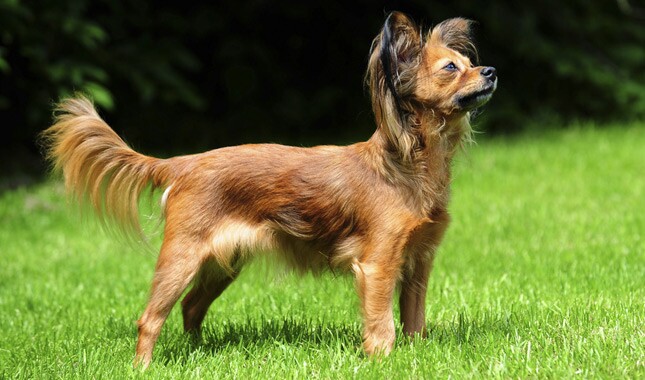
any breed, training is an essential aspect of owning a Russian Toy Dog. However, many owners tend to focus solely on obedience training without considering the importance of building their dog’s self-esteem and trust. In this blog, we will discuss how to train your Russian Toy Dog for confidence-building and establish a strong bond of trust between you and your furry friend.
Understanding Your Russian Toy Dog’s Personality
Russian Toy Dogs are affectionate and energetic dogs. They love to play and cuddle, and they can be very demanding of your attention. Understanding your Russian Toy Dog’s personality is essential for building their self-esteem and trust. Some of the personality traits that you should be aware of include:
Playfulness
Affectionate nature
High energy levels
Intelligence
Stubbornness
These traits may seem challenging to handle, but with proper training and understanding, they can be harnessed to build a strong bond of trust between you and your Russian Toy Dog.
Training Techniques for Building Confidence in Your Russian Toy Dog
1. Positive Reinforcement
Positive reinforcement is an essential technique for building confidence in your Russian Toy Dog. Positive reinforcement involves rewarding your dog for good behavior, such as following commands or showing affection. Rewards can include treats, verbal praise, and playtime with you.
To use positive reinforcement, you need to catch your dog in the act of doing something right. When you see your dog exhibit good behavior, immediately give them a treat, praise them, and spend some time playing with them. This technique helps to reinforce good behavior and builds your dog’s confidence.
2. Socialization
Socialization is a critical aspect of building confidence in your Russian Toy Dog. Socialization involves exposing your dog to various people, animals, and situations from an early age. It helps your dog learn how to interact with other dogs and people, building their confidence in social settings.
To socialize your Russian Toy Dog, you can take them to dog parks and puppy classes, or organize playdates with other dogs. Ensure that the dogs are friendly and well-behaved to avoid any aggression or negative experiences.
3. Crate Training
Crate training is another technique that can help build your Russian Toy Dog’s confidence. Crate training involves using a crate or a cage to give your dog a safe and comfortable place to sleep or rest. Dogs are naturally den animals, and the crate can provide a sense of security for them.
To create the train, your Russian Toy Dog, introduce the crate slowly and make it a positive experience. Put a soft blanket and toys inside the crate and reward your dog for entering it. Gradually increase the amount of time your dog spends in the crate, and ensure that they have access to water and food.
4. Clicker Training
Clicker training is a popular training technique that can help build your Russian Toy Dog’s confidence. Clicker training involves using a clicker, a small device that makes a clicking sound, to mark good behavior. The click sound tells your dog that they have done something right, and a treat follows.
To use clicker training, you need to associate the click sound with a reward. Start by clicking the device and immediately give your dog a treat. Do this several times, and your dog will learn that the click sound is associated with a treat.
5. Leash Training
Leash training is another essential technique for building your Russian Toy Dog’s confidence. Leash training involves teaching your dog to walk on a leash without pulling or tugging. Walking on a leash can be intimidating for some dogs, and it is crucial to introduce it slowly and positively.
To leash train, your Russian Toy Dog, start by putting a collar or a harness on them and let them get used to it. Attach a leash to the collar or harness and let your dog drag it around for a few minutes each day. Gradually increase the length of the leash and start taking short walks with your dog, rewarding them for walking calmly beside you.
6. Agility Training
Agility training is a fun and effective way to build your Russian Toy Dog’s confidence. Agility training involves teaching your dog to navigate through obstacles such as tunnels, jumps, and weave poles. It requires your dog to use their body and mind, which can be challenging and rewarding for them.
To start agility training, begin with simple obstacles and reward your dog for successfully navigating through them. Gradually increase the difficulty level, and reward your dog each time they complete the course.
7. Desensitization
Desensitization is a technique that can help your Russian Toy Dog become less fearful and anxious in certain situations. Desensitization involves exposing your dog to the object or situation that they fear gradually. The goal is to help your dog become familiar with the object or situation and eventually overcome their fear.
To desensitize your Russian Toy Dog, start by exposing them to the object or situation from a distance. Gradually move closer and reward your dog for remaining calm. Be patient and avoid pushing your dog too hard, as this can make them more fearful.
Building Trust with Your Russian Toy Dog
Building trust with your Russian Toy Dog is essential for establishing a strong bond between you and your furry friend. Trust involves your dog believing that you will always take care of them and keep them safe. Here are some techniques to build trust with your Russian Toy Dog:
1. Consistency
Consistency is crucial for building trust with your Russian Toy Dog. Dogs thrive on routine, and consistency helps them feel secure and confident. Ensure that you provide your dog with regular meals, exercise, and playtime, and stick to a consistent training routine.
2. Respect
Respect is another essential aspect of building trust with your Russian Toy Dog. Treat your dog with kindness and respect, and avoid any physical or emotional abuse. Dogs can sense when they are not being treated well, and this can damage their trust in you.
3. Communication
Effective communication is crucial for building trust with your Russian Toy Dog. Learn to read your dog’s body language and vocalizations to understand their needs and emotions. Use positive reinforcement to encourage good behavior and avoid punishment or harsh corrections.
4. Playtime
Playtime is an essential aspect of building trust with your Russian Toy Dog. Playing with your dog helps to strengthen your bond and build trust. Use toys and games to create a positive association with you and build your dog’s confidence.
Training your Russian Toy Dog for confidence-building and trust is a long-term process that requires patience, consistency, and dedication. By understanding your dog’s personality and using positive reinforcement techniques, you can help build their self-esteem and confidence. Building trust with your Russian Toy Dog involves providing consistency, respect, communication, and playtime. With proper training and care, your Russian Toy Dog can become a confident and loyal companion.