
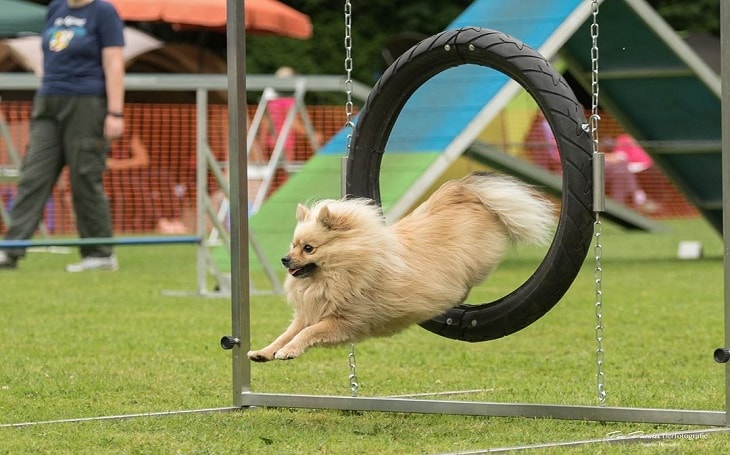
Training your German Spitz is an essential part of ensuring that your furry friend is well-behaved, healthy, and happy. With proper training, you can teach your dog obedience, agility, and other skills that will help you both bond and create a great relationship. Here are some training tips for your German Spitz, from obedience to agility.
Obedience Training
Obedience training is a fundamental part of any dog’s training. It teaches your German Spitz how to respond to your commands, respect boundaries, and behave well in different situations. Here are some tips for obedience training your German Spitz.
1. Start Early
The earlier you start obedience training, the better. Puppies are more receptive to learning and adapting to new environments than older dogs, so start training your German Spitz as soon as possible.
2. Use Positive Reinforcement
Positive reinforcement is a training method that rewards good behavior. When your German Spitz behaves well, reward them with treats, praise, or playtime. This method is more effective than punishment or negative reinforcement, which can create fear and anxiety.
3. Be Consistent
Consistency is key to successful obedience training. Use the same commands and cues every time you train your German Spitz, and ensure everyone in your household does the same. This helps your dog understand what is expected of them and makes training easier.
4. Set Realistic Goals
Set achievable goals when obedience training your German Spitz. Start with basic commands like “sit,” “stay,” and “come.” Once your dog has mastered these commands, move on to more challenging tasks.
Agility Training
Agility training is a fun way to keep your German Spitz active and healthy. It involves teaching your dog to navigate a course with obstacles, including jumps, tunnels, and weave poles. Here are some tips for agility training your German Spitz.
1. Start Slowly
Start with easy obstacles and gradually increase the difficulty level as your dog gets more confident. This prevents your dog from feeling overwhelmed and losing interest.
2. Use Treats and Toys
Use treats and toys as motivation for your German Spitz during agility training. Give them a reward when they complete an obstacle or perform well. This encourages your dog to work harder and be more engaged in the training.
3. Focus on Form
Focus on your dog’s form during agility training. Ensure they are using the correct technique to complete an obstacle, as this can prevent injury and improve performance.
4. Be Patient
Agility training takes time and patience. Don’t get frustrated if your German Spitz is not catching on as quickly as you’d like. With consistent training and patience, your dog will improve over time.
Health and Wellness
Training is not only about obedience and agility. It’s also about ensuring your German Spitz is healthy and happy. Here are some tips for keeping your dog healthy during training.
1. Provide Proper Nutrition
Provide your German Spitz with a well-balanced diet to keep them healthy and energetic. Ensure they have access to clean water at all times and avoid giving them unhealthy treats or table scraps.
2. Keep Your Dog Active
Regular exercise is essential for keeping your German Spitz healthy and happy. Take them for walks, play fetch, or engage in other physical activities that your dog enjoys.
3. Stay Up-to-Date on Vaccinations
Ensure your German Spitz is up-to-date on their vaccinations and regular check-ups. This helps prevent illnesses and ensures your dog is healthy.
4. Be Mindful of the Weather
Be mindful of the weather when training your German Spitz. Avoid training during extreme heat or cold and take breaks if your dog seems tired or overheated.
Training your German Spitz is a rewarding experience that helps build a strong bond between you and your furry friend. Whether you’re teaching them obedience or agility, the key is to be patient, consistent, and use positive reinforcement. Remember to also prioritize your dog’s health and wellness by providing proper nutrition, exercise, and regular veterinary care.
Here are some additional tips and tricks for training your German Spitz:
Socialization
Socialization is the process of exposing your German Spitz to new people, animals, and environments. This helps them learn how to interact with others and reduces the risk of behavioral issues like aggression or anxiety. Here are some tips for socializing your German Spitz:
1. Start Early
Start socializing your German Spitz as soon as possible. Puppies are more receptive to new experiences than older dogs, so begin socialization when your puppy is between 3 and 14 weeks old.
2. Introduce Your Dog Gradually
Introduce your German Spitz to new people, animals, and environments gradually. Start with low-stress situations like meeting a calm, friendly dog or a familiar person. Gradually increase the difficulty level as your dog gets more comfortable.
3. Use Positive Reinforcement
Use positive reinforcement during socialization. Reward your German Spitz with treats, praise, or playtime when they interact positively with others. This helps create a positive association with new experiences.
4. Be Patient
Socialization takes time and patience. Don’t force your German Spitz to interact with others if they are fearful or anxious. Give them time to adjust and work at their own pace.
House Training
House training is the process of teaching your German Spitz to eliminate outside or in a designated area. It’s essential for preventing accidents in the house and creating a clean, healthy environment for your furry friend. Here are some tips for house training your German Spitz:
1. Create a Schedule
Create a schedule for your German Spitz’s bathroom breaks. Puppies need to go outside every 2-3 hours, while adult dogs can usually hold it for 4-6 hours. Stick to a consistent schedule to help your dog learn when it’s time to go.
2. Use a Designated Area
Designate a specific area for your German Spitz to eliminate. This could be a spot in the yard or a specific room in the house. Take your dog to this area every time they need to go.
3. Use Positive Reinforcement
Use positive reinforcement when house training your German Spitz. Reward them with treats or praise when they eliminate in the designated area. This helps reinforce good behavior.
4. Be Patient
House training takes time and patience. Don’t punish your German Spitz for accidents in the house, as this can create fear and anxiety. Instead, use positive reinforcement to encourage good behavior.
Leash Training
Leash training is the process of teaching your German Spitz to walk on a leash without pulling or lunging. It’s essential for your dog’s safety and your own peace of mind. Here are some tips for leash training your German Spitz:
1. Start Slowly
Start leash training your German Spitz in a low-stress environment, like your backyard or a quiet park. Gradually increase the difficulty level as your dog gets more comfortable.
2. Use Positive Reinforcement
Use positive reinforcement during leash training. Reward your German Spitz with treats or praise when they walk calmly on the leash. This helps create a positive association with walking on a leash.
3. Use the Right Equipment
Use the right equipment when leash training your German Spitz. Choose a sturdy collar or harness and a leash that is comfortable for your dog. Avoid using retractable leashes, as they can be dangerous and difficult to control.
4. Be Patient
Leash training takes time and patience. Don’t expect your German Spitz to learn how to walk on a leash perfectly overnight. Give them time to learn and don’t get frustrated if they don’t get it right away.
Agility Training
Agility training is a fun and challenging sport that involves navigating an obstacle course. It requires speed, agility, and precision, and can be a great way to bond with your German Spitz. Here are some tips for agility training your German Spitz:
1. Start with Basic Training
Before starting agility training, your German Spitz should have a good foundation in obedience and basic commands like sit, stay, and come. This will make it easier for them to understand and execute the agility commands.
2. Use Positive Reinforcement
Use positive reinforcement during agility training. Reward your German Spitz with treats or praise when they successfully complete an obstacle. This helps create a positive association with agility training and encourages good behavior.
3. Take it Slow
Start agility training at a slow pace, gradually increasing the difficulty level as your German Spitz gets more comfortable. Start with simple obstacles like jumps or tunnels before moving on to more complex challenges.
4. Focus on Safety
Agility training can be physically demanding on your German Spitz. Make sure to warm up and cool down your dog before and after each training session. Also, be sure to use proper equipment, like agility tunnels that are safe and secure.
Advanced Obedience Training
Advanced obedience training involves teaching your German Spitz complex commands like heel, retrieve, and advanced tricks. It requires patience, dedication, and consistency, but can be a great way to challenge your furry friend and deepen your bond. Here are some tips for advanced obedience training:
1. Start with Basic Commands
Before moving on to advanced obedience training, make sure your German Spitz has a solid foundation in basic commands like sit, stay, and come. This will make it easier for them to learn and execute more complex commands.
2. Break it Down
Break down complex commands into smaller, more manageable steps. For example, if you’re teaching your German Spitz to retrieve an object, start by having them pick it up and hold it, then gradually work up to having them bring it to you.
3. Use Positive Reinforcement
Use positive reinforcement during advanced obedience training. Reward your German Spitz with treats or praise when they successfully complete a command. This helps create a positive association with training and encourages good behavior.
4. Be Patient
Advanced obedience training takes time and patience. Don’t expect your German Spitz to learn a new command perfectly overnight. Give them time to practice and be consistent with your training methods.
Conclusion
Training your German Spitz can be a fun and rewarding experience for both you and your furry friend. Whether you’re teaching them obedience, agility, or advanced tricks, the key is to be patient, consistent, and use positive reinforcement. Remember to also prioritize your dog’s health and wellness by providing proper nutrition, exercise, and regular veterinary care.
Socialization, house training, leash training, agility training, and advanced obedience training are all important aspects of training your German Spitz. Each requires a unique set of skills and techniques, but all can be accomplished with time, patience, and dedication.
When training your German Spitz, it’s important to remember that every dog is unique and may learn at their own pace. Don’t get discouraged if your furry friend doesn’t pick up a new command right away. Keep practicing, be consistent, and use positive reinforcement, and soon enough, you’ll have a well-trained and happy German Spitz by your side.