
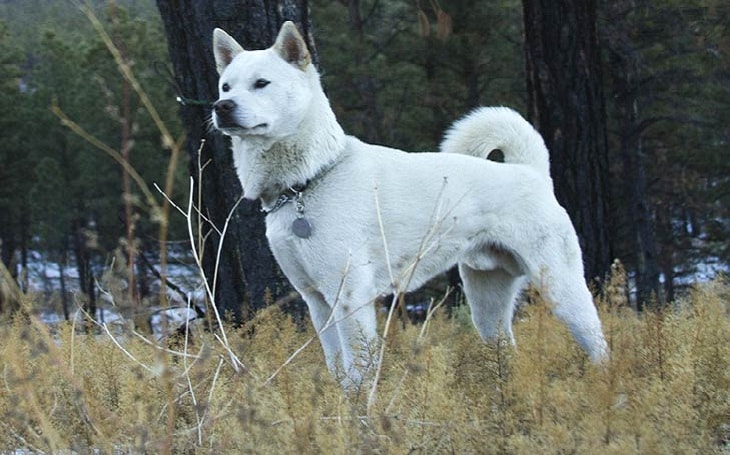
The Kishu Ken is a loyal and intelligent breed of dog that requires an experienced owner to help them reach their full potential. Training your Kishu Ken can be a rewarding experience, but it also requires patience and dedication. In this comprehensive guide, we will discuss the best methods for training your Kishu Ken, as well as provide tips on how to make the process easier and more enjoyable.
Finding the Right Space
When training your Kishu Ken, it is important to find a space that is open and free of distractions. The backyard of your home or a nearby dog park are both great options. It is important to keep your Kishu on a leash during training sessions so they don’t wander off or become distracted by other animals or people.
Establishing Good Leash Discipline
The first step in training your Kishu is to establish good leash discipline. Although the Kishu is known for its excellent recall, you should still keep them on a leash when in public spaces or unfamiliar areas. This will help ensure that they stay focused on you and follow commands without getting distracted by outside stimuli. Additionally, teaching basic commands such as “sit” and “stay” while on the leash will help them learn better obedience skills overall.
Providing Positive Reinforcement
When training your Kishu Ken, providing appreciation and positive reinforcement is very useful and important. Praise them when they do something correctly, give them treats when they obey commands, and reward them with playtime when they complete tasks successfully. This will help encourage good behavior and motivate them to continue learning new things. Avoid using negative reinforcement such as scolding or punishing your dog; this can lead to fear-based behaviors which can be difficult to reverse later on down the line.
Keeping Training Sessions Short & Sweet
Kishus are smart dogs who learn quickly but also get bored easily – so it’s important to keep training sessions short but sweet! Aim for 10-15 minute sessions several times per day rather than one long session each day; this will help keep their attention span up while also giving you time to practice different commands without tiring out either of you too quickly!
Incorporating Fun Activities into Training
Training doesn’t have to be all about commands – incorporating fun activities into each session can make it more enjoyable for both you and your pup! Try playing fetch with toys or playing hide-and-seek with treats; these activities not only provide mental stimulation but also allow you to bond with your pup while teaching them valuable skills like impulse control and problem solving!
Utilizing Professional Resources
If you find yourself struggling with any aspect of training your Kishu Ken, don’t hesitate to seek professional help from an experienced trainer or behaviorist! They can provide valuable insight into how best to approach certain issues as well as offer personalized advice tailored specifically towards helping you achieve success with your pup!
Conclusion
Training a Kishu Ken can be challenging but ultimately rewarding experience – if done correctly! By following these tips and utilizing professional resources when necessary, you can ensure that both you and your pup have an enjoyable journey together as you work towards mastering obedience skills together!