
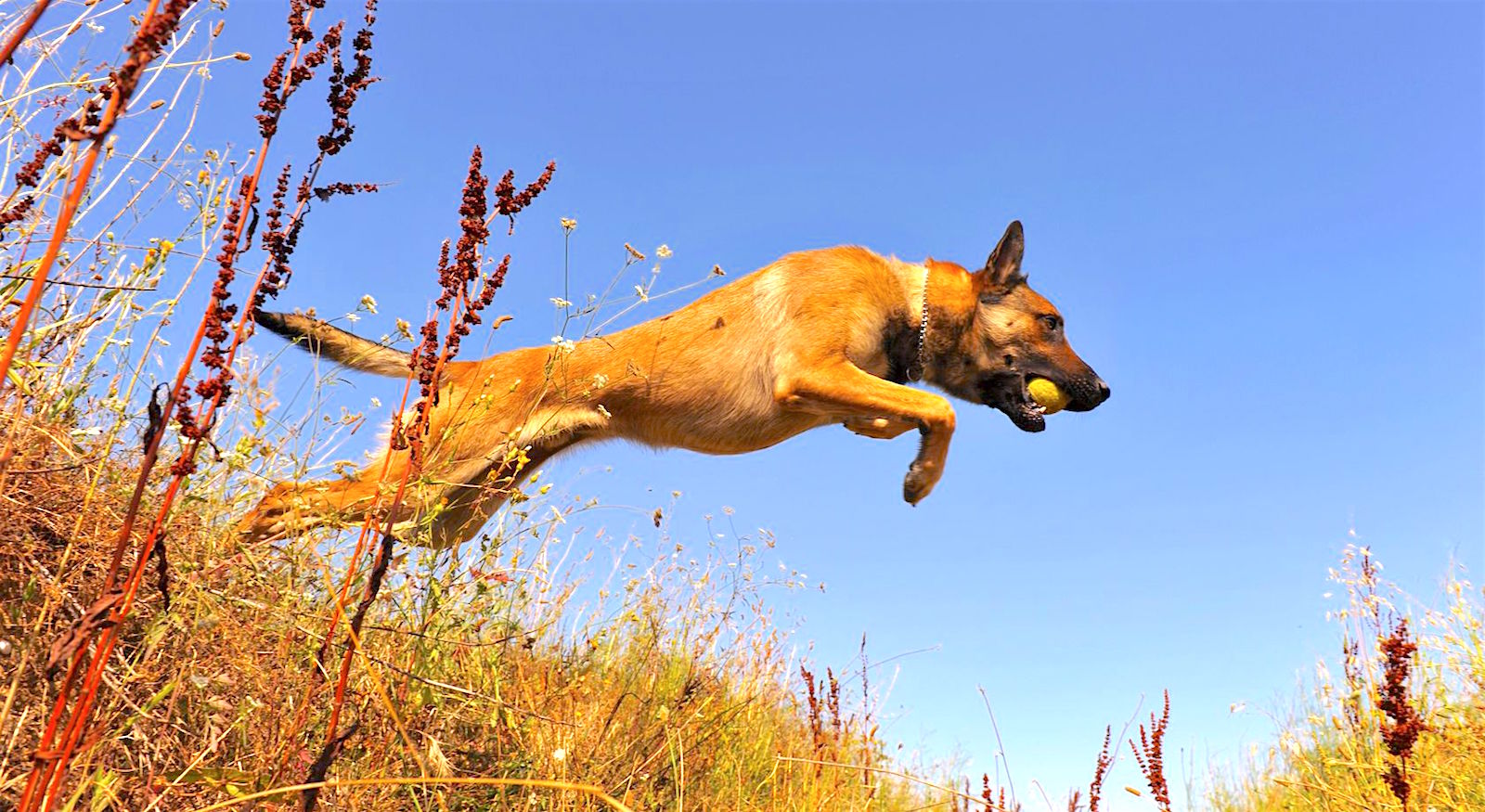
Belgian Malinois are known for their high energy levels, intelligence, and drive to work. These traits make them an excellent choice for working roles such as police K9s, military service dogs, and search and rescue dogs. However, they also make them a challenging breed to train novice dog owners. In this article, we will provide tips and insights from expert handlers on how to train your Belgian Malinois for success in any role.
1. Start training early
Early training is key to raising a well-behaved and obedient Belgian Malinois. Puppies as young as eight weeks old can begin learning basic commands such as “sit,” “stay,” and “come.” By starting early, you can establish good habits and prevent bad behaviors from developing. It is also important to socialize with your puppy early on to ensure that they are comfortable around people and other animals.
2. Use positive reinforcement
Belgian Malinois respond well to positive reinforcement training methods, which involve rewarding good behavior with treats or praise. This type of training encourages the dog to repeat desirable behaviors and builds a positive association with training. Punishing bad behavior can cause the dog to become fearful or aggressive, which can be dangerous in a breed as powerful as the Belgian Malinois.
3. Be consistent
Consistency is key when training a Belgian Malinois. All members of the household should use the same commands and training techniques to avoid confusion for the dog. Training sessions should be frequent and short, with a focus on one or two commands at a time. It is important to practice regularly to reinforce good behavior and prevent bad habits from developing.
4. Use toys and games for mental stimulation
Belgian Malinois are highly intelligent and require mental stimulation to prevent boredom and destructive behavior. Toys and games such as puzzles, interactive feeders, and fetch can provide mental stimulation and physical exercise. Training sessions can also be turned into a game, with rewards for good behavior and challenges to keep the dog engaged.
5. Channel their energy into constructive activities
Belgian Malinois have a high energy level and require plenty of exercises to stay healthy and happy. This energy can be channeled into constructive activities such as running, hiking, and dog sports like agility or flyball. These activities not only provide exercise but also build a bond between the dog and handler and reinforce training.
6. Train for the specific role
Belgian Malinois are often used as working dogs in police K9 units, military service, and search and rescue teams. If you are training your Belgian Malinois for a specific role, it is important to work with a professional trainer who has experience in that area. These trainers can provide specialized training and ensure that your dog is prepared for the demands of the role.
7. Practice obedience in real-life situations
Obedience training should be practiced in real-life situations to ensure that the dog can obey commands even in challenging environments. This can include training in public spaces, around other animals, and in the presence of distractions. Practicing obedience in different situations can also prevent the dog from becoming anxious or reactive in unfamiliar environments.
8. Use proper equipment
Belgian Malinois is a strong and powerful breed, so it is important to use the proper equipment when training. Collars, leashes, and harnesses should be strong and durable, with a good fit to prevent injury or escape. It is also important to use appropriate toys for play and training, avoiding toys that are easily destroyed or can cause injury.
9. Establish boundaries and rules
Belgian Malinois requires strong leadership to prevent them from becoming dominant or aggressive. Establishing boundaries and rules early on can help prevent bad behaviors from developing. This includes setting limits on where the dog can go, what they can do, and what objects they can handle.
10. Work with a Professional Trainer
If you’re struggling to train your Belgian Malinois or if you want to take your training to the next level, consider working with a professional dog trainer. A trainer can provide expert guidance and support, help you overcome training challenges, and ensure that your dog is well-behaved and well-adjusted. Look for a trainer who has experience working with Belgian Malinois and who uses positive reinforcement techniques.
In conclusion, training a Belgian Malinois requires patience, consistency, and a lot of hard work, but the rewards are well worth it. With the right training and socialization, these dogs can be loyal, obedient, and loving companions. Remember to always use positive reinforcement, keep training sessions short and fun, and work with a professional trainer if needed. With time and dedication, you can help your Belgian Malinois become the best dog it can be.