
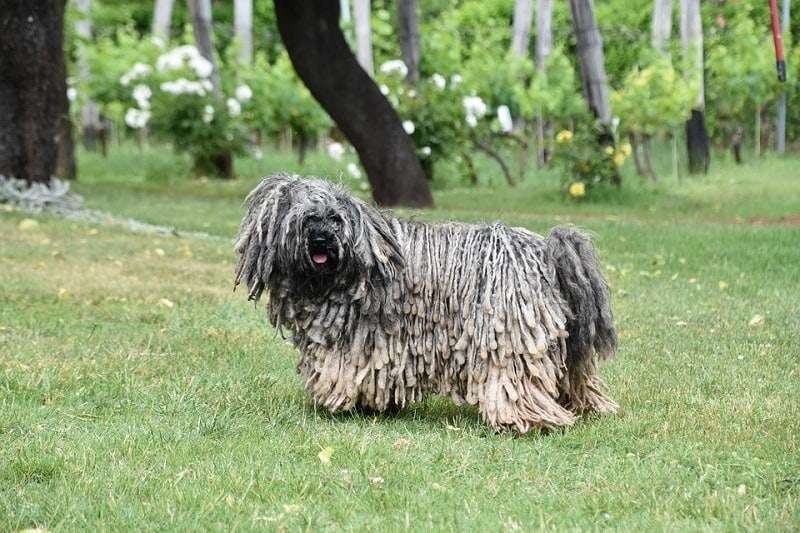
The Puli, a unique and visually striking breed, is best known for its mop-like appearance characterized by its long, corded coat. But the Puli is more than just an eye-catching canine; it boasts a rich history and cultural significance that dates back thousands of years. This fascinating breed has been an integral part of Hungarian culture and continues to win the hearts of dog lovers worldwide. So, let’s unravel the twisted tales of the Puli breed and discover what makes this canine companion so captivating.
A Journey Back in Time
To truly appreciate Puli’s history, we must travel back over 1,000 years to the early 9th century. It was during this time that the Magyars, a nomadic people, began migrating from Central Asia to the Carpathian Basin, which is now present-day Hungary. They brought with them their livestock and their trusted herding dogs, including the ancestors of the modern-day Puli.
While the Puli’s precise origins remain unclear, experts believe that this breed shares a common ancestry with other ancient herding dogs, such as the Tibetan Terrier and the Old English Sheepdog. Over time, the Puli adapted to the specific needs of the Magyar people, developing its iconic corded coat as a natural protection against harsh weather conditions and predators.
The Puli’s Role in Hungarian Culture
The Puli has played a vital role in Hungarian society for centuries, primarily as a herding dog. The breed’s keen intelligence, agility, and tireless work ethic made it an indispensable asset to Hungarian shepherds, who used the Puli to herd and guard large flocks of sheep and other livestock. The Puli’s small stature allowed it to weave in and out of the flock with ease, while its distinctive coat served as camouflage, blending in with the sheep and making it difficult for predators to spot.
The Puli’s corded coat also played a role in the breed’s cultural significance. Hungarian shepherds would often show off their Puli’s impressive coats at gatherings and festivals, celebrating the dog’s hard work and the shepherds’ skills in maintaining the cords. These gatherings eventually led to the development of organized dog shows in Hungary, with the Puli often stealing the spotlight.
Preserving the Breed: The Komondor Connection
By the early 20th century, the Puli breed faced the threat of extinction. Two World Wars and rapid industrialization led to a decline in the need for herding dogs, and the Pulis population dwindled. However, dedicated Hungarian breeders recognized the breed’s cultural importance and took steps to ensure its survival.
Interestingly, it was the Puli’s relationship with another Hungarian breed, the Komondor, that played a crucial role in preserving the Puli. The two breeds had often worked together in Hungary, with the Puli herding and the larger, more powerful Komondor guarding the flock. Breeders realized that by selectively breeding the two dogs, they could create a stronger, more versatile Puli.
These efforts proved successful, and the Puli breed survived the turbulent times of the 20th century. Today, the Puli is once again thriving, both in Hungary and around the world.
The Puli on the World Stage
The Puli’s distinctive appearance has captured the imagination of dog enthusiasts worldwide. The breed was first introduced to the United States in the 1920s, and it quickly gained popularity. In 1935, the Puli Club of America was founded to promote and protect the breed, and the American Kennel Club (AKC) officially recognized the Puli in 1936.
Since then, the Puli has made its mark on the international dog show scene. Known for its agility, obedience, and showmanship, the Puli has earned numerous titles and accolades in various competitions. In addition to its success in the show ring, the breed has also gained recognition for its work in search and rescue, therapy, and service dog roles.
Puli Personalities: More Than Meets the Eye
While the Puli’s distinctive appearance is undoubtedly a significant part of its allure, the breed’s true charm lies in its temperament and intelligence. Pulis are known for their lively, spirited personalities, and their strong bond with their human families. These dogs are highly trainable, making them excellent companions for various activities, including agility, herding trials, and obedience competitions.
Pulis are also known for their loyalty and protective instincts, often serving as excellent watchdogs. They can be reserved with strangers, but once they accept someone into their “inner circle,” they form deep, lasting connections.
Caring for the Corded Coat: A Labor of Love
One of the most striking aspects of the Puli breed is its corded coat, which requires a considerable amount of care and maintenance. As the Puli grows, its coat naturally forms cords or dreadlocks, which can be anywhere from pencil-thin to as thick as your finger. This unique feature serves as a natural insulator, protecting the dog from harsh weather conditions and potential injuries.
Maintaining Puli’s corded coat is a labor of love that requires patience and dedication. Regular grooming is essential to prevent matting and to keep the cords clean and healthy. It’s important to note that grooming a Puli can be time-consuming, especially as the cords grow longer. Many Puli owners opt to enlist the help of professional groomers or take grooming courses to ensure they can adequately care for their dog’s coat.
Puli Pop Culture: A Breed in the Spotlight
The Puli’s unmistakable appearance and unique qualities have not gone unnoticed in popular culture. The breed has made several appearances in movies, television shows, and advertisements. One of the most famous Pulis in recent history was Mark Zuckerberg’s dog, Beast. This fluffy, corded companion gained a following of his own on social media, further raising the Puli’s profile as a breed to be admired and celebrated.
A Breed Worth Celebrating
The Puli’s fascinating history, cultural significance, and captivating appearance make it a breed that is truly worth celebrating. From its ancient origins in Hungary to its modern-day role as a beloved companion and show dog, the Puli’s journey is a testament to its resilience and adaptability.
As you learn more about the Puli breed, it becomes clear that this corded canine is much more than just a pretty face. The Puli’s intelligence, loyalty, and hardworking nature make it a remarkable companion, both in and out of the show ring. For those willing to invest the time and effort required to care for a Puli, the rewards are immeasurable. In the Puli, you will find not only a striking and unforgettable companion but also a living link to a fascinating chapter in the history of human-canine relationships.
The twisted tales of the Puli breed serve as a reminder of the rich history and cultural significance that many dog breeds possess. In a world where new breeds and designer dogs are constantly emerging, it’s essential to remember and appreciate the stories of ancient breeds like the Puli. By learning about the history and culture of the Puli, we can ensure that future generations continue to cherish and protect this remarkable breed for years to come.