
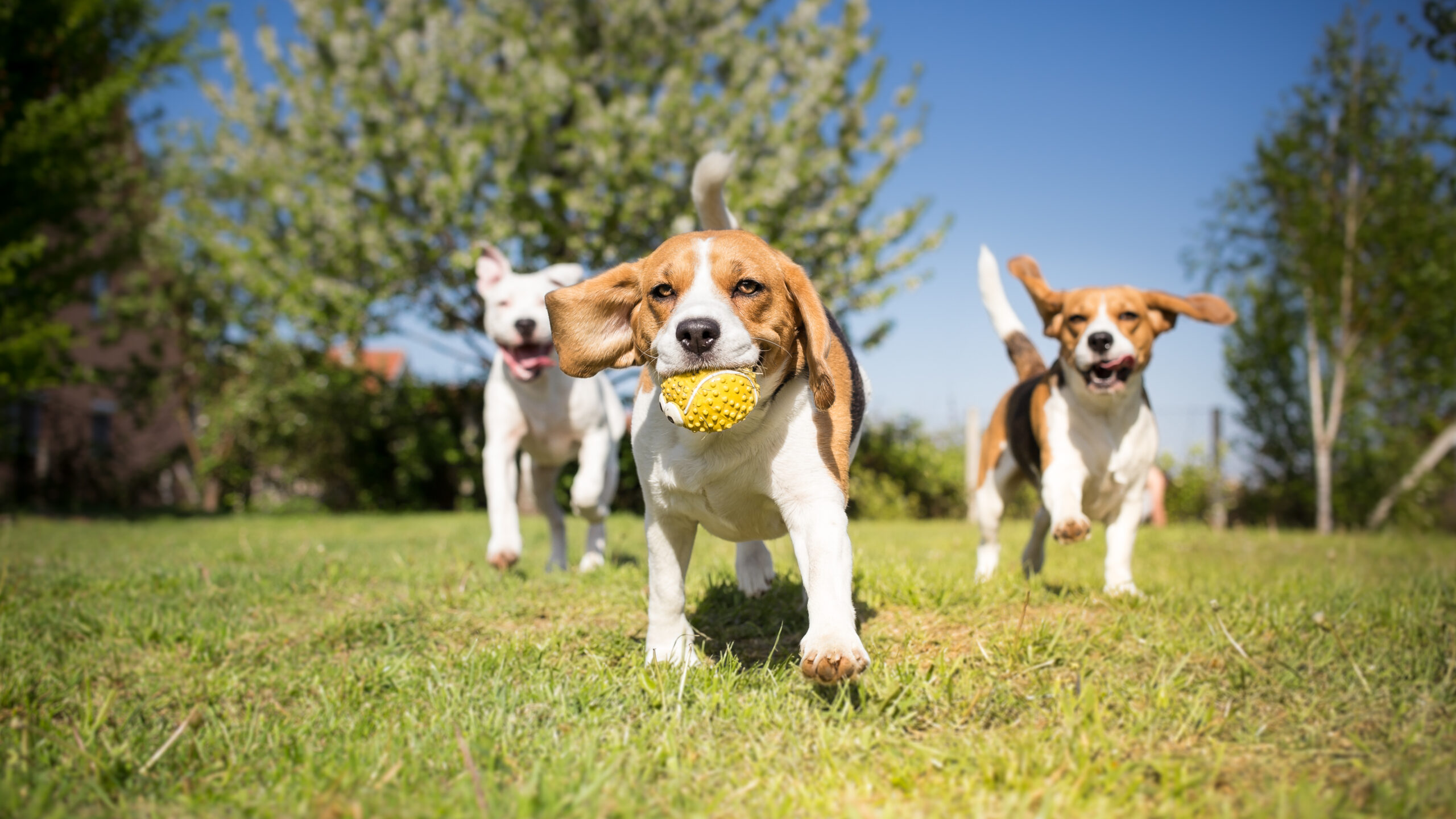
Dogs are social animals that love to play and interact with other dogs. But what exactly is dog play, and how can we tell if our dogs are playing or fighting? In this blog, we will be unraveling the mysteries of dog play and exploring how our furry friends interact with each other.
Part 1: Understanding Dog Play
Dog play is a natural behavior that serves many purposes. It helps dogs to build social bonds, develop communication skills, and burn off excess energy. But what does the dog play actually look like? Here are some common characteristics of dog play:
1. Loose and relaxed body language: Dogs that are playing will have loose, relaxed body language. Their tails may wag, and their movements will be fluid and playful.
2. Role reversal: During play, dogs may switch roles back and forth between the “chaser” and the “chasee.” This helps them to develop their communication and social skills.
3. Playful vocalizations: Dogs that are playing may make playful vocalizations such as barking, growling, or whining.
Part 2: Different Types of Dog Play
Not all dog play is the same, and different dogs may prefer different types of play. Here are some common types of dog play:
1. Chase play: This type of play involves one dog chasing another. The dogs will take turns chasing each other, and the game can go on for quite a while.
2. Tug of war: Dogs that enjoy tug of war will playfully pull on a toy or rope while another dog tries to take it away. This type of play can help dogs build strength and develop their jaws.
3. Wrestling: Wrestling play involves two dogs playfully wrestling with each other. This type of play helps dogs build their social and communication skills.
Part 3: How to Tell if Dogs are Playing or Fighting
While dog play is generally a harmless and fun activity, it’s important to be able to tell the difference between play and fighting. Here are some signs that dogs may be fighting rather than playing:
1. Stiff body language: Dogs that are fighting will have stiff and rigid body language. They may growl or bark aggressively, and their tails will be stiff and still.
2. Injuries: If dogs are fighting, there may be injuries such as bite marks or scratches.
3. Fear: If one dog is afraid or trying to escape, this is a sign that the interaction is not playful.
Part 4: Tips for Safe and Fun Dog Play
To ensure that your dog has safe and enjoyable play experiences with other dogs, here are some tips:
1. Supervise play: Always supervise your dog during playtime to ensure that things stay safe and fun.
2. Choose playmates carefully: Not all dogs will get along, so it’s important to choose playmates that have similar energy levels and play styles.
3. Set boundaries: If your dog is uncomfortable or afraid, it’s important to set boundaries and remove them from the situation.
4. Provide toys: Providing toys can help redirect play behavior and prevent unwanted behavior such as nipping or biting.
Dog play is an important and natural behavior that helps dogs build social bonds, develop communication skills, and burn off excess energy. By understanding the different types of dog play, how to tell the difference between play and fighting, and how to ensure safe and fun play experiences, you can help your furry friend enjoy the benefits of social interaction with other dogs.