
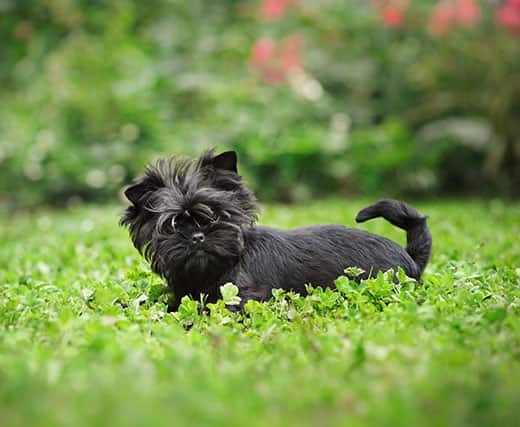
The Affenpinscher, also known as the Monkey Terrier, is a small-sized terrier-like toy Pinscher breed of dog that originated in Germany. Though not classified as a terrier, the Affenpinscher was originally bred to work like one. His job was to exterminate rats and other pests in homes and stables. Today, he is primarily kept as a companion animal and is known for his lively personality and unique facial features.
If you’re considering getting an Affenpinscher, there are some things you should know before making your decision.
Size
Affenpinschers are considered a toy breed and typically weigh between 4-8 pounds with a height of 9-11 inches at the shoulder. They have square proportions and sturdy bodies with medium bone structure. This makes them perfect for apartment living or small homes since they don’t require much space to move around in.
Temperament
Affenpinschers are known for their spunky personalities and can be quite feisty at times. They are loyal companions who love being around their owners but can also be independent thinkers who don’t always follow commands right away. Despite their size, they can be quite courageous when it comes to protecting their family from potential threats. However, they do need regular socialization training so they don’t become overly aggressive towards strangers or other animals.
Grooming
Affenpinschers have short-to-medium length wiry fur that requires regular grooming to keep it looking its best. Brushing twice a week will help remove any dirt or debris from their coat while also helping to prevent matting and tangles from forming. It’s important to trim their nails regularly as well so they don’t get too long which can cause discomfort when walking or running around outside. Additionally, you’ll want to check their ears weekly for any signs of infection such as redness or discharge which could indicate an ear infection or mite infestation.
Exercise Needs
Though small in size, Affenpinschers still need plenty of exercise each day to stay healthy and happy. A daily walk is usually enough for them but if possible try taking them on longer walks or hikes throughout the week so they can explore new places and get some extra physical activity in the process. Additionally, providing them with interactive toys such as puzzle feeders will help keep them mentally stimulated while also providing some physical exercise at the same time!
Health Concerns
Like all breeds, Affenpinschers are prone to certain health issues due to their genetics such as hip dysplasia, eye problems, patellar luxation (slipped kneecap) and heart disease among others. It’s important to speak with your veterinarian about any potential health concerns before bringing home an Affenpin so you can be sure you’re prepared if anything were to happen down the line. Additionally, make sure you’re purchasing your pup from a reputable breeder who performs genetic testing on all of their dogs prior to breeding them together so you know what kind of health issues may arise later on down the road with your pup!
Training Tips
Affenpinschers are intelligent dogs that respond well to positive reinforcement training methods such as clicker training or reward-based techniques where treats are used as rewards for good behavior rather than punishment for bad behavior (which should never be used). Start off by teaching basic commands such as sit/stay/come then gradually move onto more complex tasks such as agility courses or tricks once your pup has mastered the basics! Additionally, make sure you provide plenty of mental stimulation throughout the day by playing games like hide & seek or fetch which will help keep them engaged while also reinforcing good behaviors at the same time!
Final Thoughts
The Affenpinscher is an affectionate companion who loves being around his family but still needs plenty of exercise each day in order to stay healthy both physically and mentally! If you’re looking for a loyal companion who loves cuddling up on your lap after a long day then this might just be the perfect breed for you! Just remember that these pups require lots of patience during training sessions since they tend to have minds of their own sometimes but if done correctly then you’ll have yourself one happy pup in no time!